A Halloween price cut costs your client margin on every sale and gives regulars a reason to wait for the next offer. It also lands a few weeks before Black Friday asks for another cut. The Halloween promotion ideas small business owners get the most from don't touch the price. They sell something people can only do or buy on that date: a booked evening, a kids' trail, a numbered batch, a window worth walking over to see.
Below are seven of those ideas for cafes, pubs and independent shops. Each one gets one printed piece with its own QR code and one email, so the agency running it can show the client what came in. There's no guesswork about whether the poster worked. You'll know how many people scanned it, booked, entered or ordered.
There's a second payoff, and it's the bigger one. Every Halloween signup collected with proper consent is someone your client can email in November and December. That's when interest in email marketing hits its yearly high, and a list that grew in October has more people on it by then.
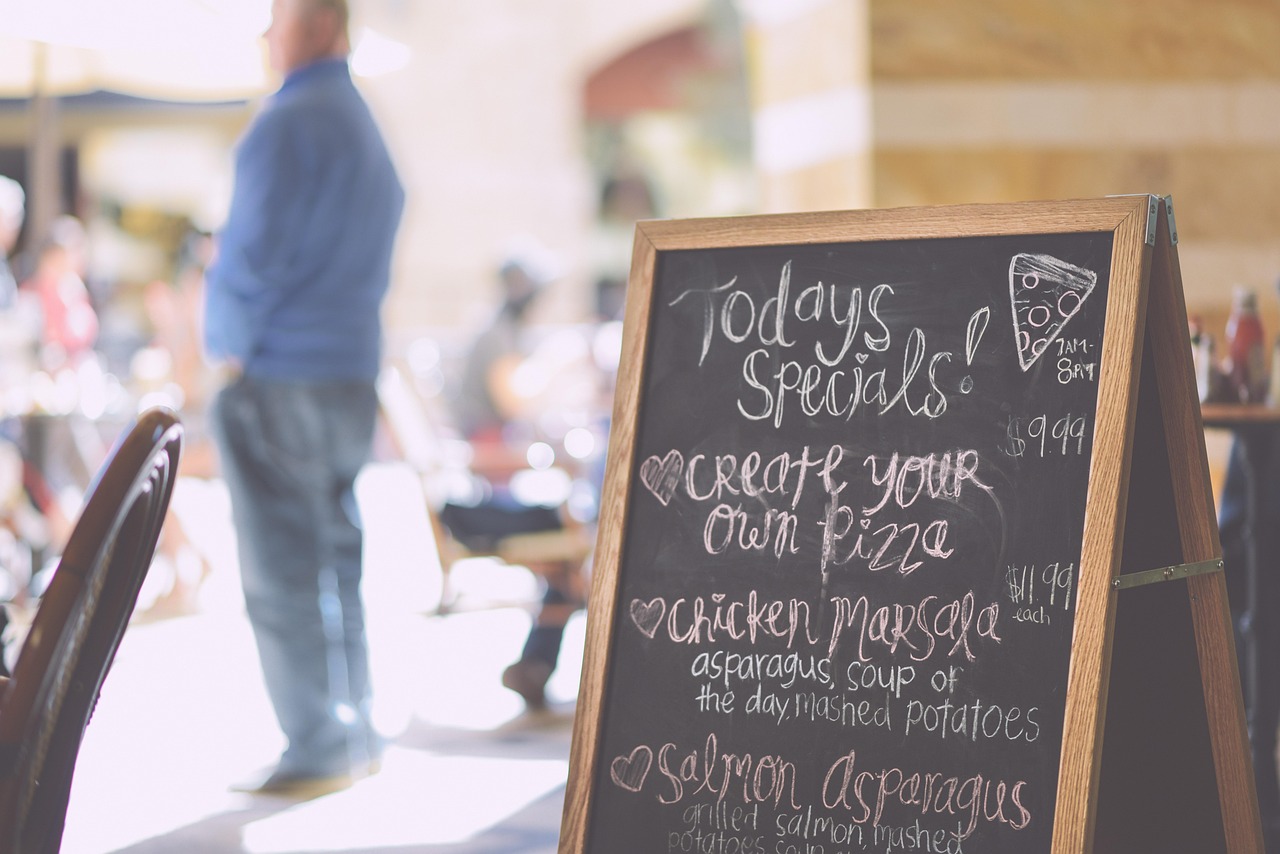
Six weeks out, the best Halloween promotion ideas for a small business are things to do, not prices to cut
It's Thursday 17 September 2026. Halloween falls on Saturday 31 October, which gives you a little over six weeks. UK clocks go back on Sunday 25 October, so the whole final week is dark by about five in the afternoon. Half-term in many areas runs the same week, and Bonfire Night follows on Thursday 5 November. That's a tight cluster of dark evenings, families out in the daytime and a reason to go out at night. Six weeks is enough to print, build a landing page and send two emails. It isn't enough to dither for a fortnight first.
Discounting wastes that window for four reasons. It gives away margin in the run-up to Black Friday, when the same client will be asked to cut again. It teaches regulars that waiting pays. A competitor down the road can match it in ten minutes with a felt pen. And "20% off" tells nobody why they'd pick this pub or this cafe over another one. A ghost story night with 30 seats does.
Every idea below follows the same pattern, so you can pitch them side by side:
- What it is, in one line
- Why it earns its place on the client's calendar
- One print touchpoint with its own QR code
- One email touchpoint
- One number to report back
- One concrete detail that makes it work, or stops it going wrong
1. A booked after-dark evening fills the quietest hours of the week
A fixed date and a limited number of places get people to commit in a way "pop in sometime" never does. A pub runs a ghost story night or a horror quiz on a Tuesday. A cafe holds a pumpkin carving workshop for 16 people after it closes at four. A gift shop opens for a candlelit late hour on Thursday 29 October. Each one fills hours that are usually empty, and charging for a ticket or taking a deposit is the opposite of discounting.
For print, use an A3 poster by the door and table talkers or counter cards, each with a QR code to a booking landing page built for this one event. Give the poster and the table talkers separate codes so you can see which one did the work. For email, send an announcement about three weeks out, then a reminder ten days before. Send the reminder only to people who clicked the announcement and haven't booked yet. In SendTo you build that from a clicks segment on the first campaign, and the report shows bookings next to opens and clicks, so the client sees places filled, not just interest.
The number to report is places booked out of places available, say 26 of 30. The concrete detail is the licence. Before a pub sells tickets for a late or themed event, check the premises licence covers the hours and the type of entertainment, and check any conditions attached to ticketed events. It's a five-minute call that saves a very awkward evening.
2. A kids' trail turns half-term footfall into family signups
Families walk the high street during half-term anyway. A trail gives them a reason to come inside and stay ten minutes. In a single shop, hide eight paper ghosts or pumpkins around the shelves. Across a street, run a stamp card through five or six neighbouring businesses, with a small prize draw for completed cards: a cake from the cafe, a book token from the bookshop, a hamper put together by all of them.
The print piece is the stamp card itself, with a QR code on the back that opens the draw entry form. That form is where the list grows, so build it carefully. Use a bot-protected hosted form, because an open prize draw attracts automated junk entries within days. Ask for the parent's name and email, and never the child's. Keep entry to the draw separate from permission to send marketing, with an unticked box for "send me news and offers". If the business will email these families afterwards, switch on double opt-in. Our piece on double opt-in under GDPR sets out when it's required and when single opt-in is enough.
The email goes out after the draw closes on Sunday 1 November. It names the winner, with their permission, and thanks everyone who took part. People who opted in get the next send in November. The number to report is draw entries that came with marketing consent. That figure is worth more to the client than total entries, because it's the part of the list they can actually use at Christmas.
3. A numbered limited run sells on scarcity, not on price
Full price is easier to justify when the thing won't be around next week. A cafe bakes 150 Halloween pastries across the last fortnight of October. A pub pours a one-off cask or a guest cocktail until it runs out. A gift shop stocks a run of 60 hand-poured candles or 40 signed prints. Each one carries a number, "No. 47 of 150", and that number gives people something to photograph and talk about.
Print a shelf card or a bar tent card showing the run size and a QR code to a reserve or pre-order page. For a cafe, a reserve page works well. People hold a box for Saturday collection and pay on the day. For email, send one launch email to the whole list, written in live text with a real photo of the product, the run size and the end date. Don't send the poster as one big image. It loads blank for some readers, is harder for mail providers to read and can't be read aloud by a screen reader. Our guide to image-only marketing emails explains what to send instead.
You don't have to design that email from scratch. SendTo's AI designer builds the HTML from a short brief and the client's brand presets, and the AI reviewer checks the subject line, links, structure and basic compliance before it goes out. The number to report is units sold at full price and the date the run sold out. The concrete detail is allergens. Any limited food or drink needs its ingredient and allergen labelling finished before launch day, not on the morning the first tray comes out.
4. A window display worth crossing the road for earns its own word of mouth
A window keeps working after the shop shuts. Once the clocks go back on 25 October, it's dark from around five, so a lit window gets four or five extra hours a night of people walking past to dinner, the pub or the station. Run it as a single themed window, or organise a street-wide window competition with a public vote, which gives every taking part business a reason to promote the others.
The print piece is a small decal in the corner of the glass with a QR code: "vote for this window" during a competition, or "see what's inside" for a single shop. Make the code at least 4cm across and place it at eye height, because people scan from the pavement in the dark. For email, send a "come and see the window" message with a good photo taken at night, the address and the opening hours for that week, in live text. A short note on how the window was made gets more replies than a plain announcement.
Be straight with the client about measurement. Windows are the hardest of the seven to attribute. Plenty of people look, like it and walk in later without scanning anything. QR scans and votes undercount the real effect, so report them as a floor, not a total, and ask the till staff to note how many customers mention the window that week. The number to report is scans plus votes, with the till tally next to it.
5. A pre-order or reservation window for Halloween Saturday spreads the rush
When orders come in before the day, your client knows what Saturday 31 October needs. A pub takes table bookings for its Halloween party, with 60 covers across two sittings. A cafe takes orders for pumpkin-spice cake boxes or party platters to collect on Friday or Saturday. A shop takes orders for made-to-order costume accessories, such as painted masks or felt cat ears, with a set collection slot. The price doesn't move. What the client gets is a known order book, less leftover stock and a rota built on real numbers.
The print piece is a counter card by the till with the order cut-off date in large type, for example "Order by Tuesday 27 October", plus a QR code to an order or booking landing page. Put the date in bigger type than the product name. People forget the product and remember the deadline. For email, send a short three-part sequence. Send an opening email when orders go live, then a reminder 48 hours before the cut-off to people who opened but didn't click, and a last call on the cut-off morning to anyone who clicked and didn't order. SendTo builds both follow-ups from segments on the first campaign, so nobody who has already ordered is chased.
The number to report is pre-orders or covers booked by the cut-off, against the client's own guess. The concrete detail is the collection slot. Give every order a 15-minute window on the day, or the queue at 11am on Saturday undoes everything the pre-order saved.
6. A registered trick-or-treat stop makes the business the safe choice on the night
Parents walking children round on Halloween night head for places that are lit and clearly happy to see them. A business that signs up as a friendly stop gives them one. It puts a pumpkin sign in the window, hands out treats between set hours on Saturday 31 October, say 4pm to 7pm, and sets up a costume photo corner by the door with a simple backdrop. It costs a few bags of sweets and a printed sign. A treat for every child isn't money off anything the business sells, so it isn't discounting.
The print piece is the pumpkin window sign with the hours on it, plus a small card handed to each parent with a QR code. The code opens a hosted form where the parent gets the photo from the corner and can opt in to news. Same rules as the trail. Use a bot-protected form, ask for the adult's email only, and keep the marketing box unticked. For email, send one "we're a trick-or-treat stop this Saturday" message to the existing list in the week before, then a thank-you with the photos to everyone who signed up on the night.
The number to report is photo signups with marketing consent. Be honest with the client that goodwill is the main return here. It shows up in December footfall more than on the night.
7. A joint late-night high street evening shares the cost and multiplies the reach
Five businesses opening late together draw a bigger crowd than five businesses opening late on different nights. Pick three to eight neighbours, for example a cafe, a pub, a bookshop and a florist, and agree one evening, such as Friday 30 October from 5pm to 9pm. Each one runs something small. The cafe serves hot chocolate, the bookshop does a ghost story reading, the florist sells dried seasonal bunches, and the pub hosts the evening's last stop. A shared map ties it together.
Print one map flyer for the whole street, with a separate QR code beside each business. Every code goes to that business's own landing page, so scans are counted per business and nobody argues afterwards about who brought the crowd. Split the print bill evenly. For email, each business sends the evening's announcement to its own list, about two weeks out, with the map and the full line-up in live text.
For an agency, this is the easiest idea to sell, because one pitch reaches several clients at once and every business gets its own report. The number to report is scans and signups per business. The concrete detail is one named organiser. Without one person holding the timings and the map artwork, the flyer goes to print with the wrong opening hours.
The same five-part measurement kit works for all seven ideas
Every idea above gets measured the same way, which makes the report easy to build and easy for a client to read. Set this up before anything goes to print.
- A unique landing page or hosted form for each idea, never a shared generic page.
- A separate QR code for each printed item, so the poster and the counter card are counted apart.
- One announcement email and one targeted follow-up, built from a clicks, unclicked-opens or non-openers segment of the first send.
- One success number per idea, agreed with the client before launch.
- A November follow-up email to everyone who signed up with consent.
Open rates need a word of caution. Security scanners at many workplaces and mail providers open every email to check its links, and that inflates the opens figure. SendTo's reports leave those scanner opens out, so your client sees real human opens, clicks and bookings in their client portal, and you see every client side by side in the partner view. Our piece on measuring real human open rates when security scanners inflate your client's numbers explains why this changes which follow-up segment you send to.
| Idea | Print item with QR code | Number to report | |
|---|---|---|---|
| 1. Booked after-dark evening | Poster and table talkers | Announcement, reminder to clickers who haven't booked | Places booked of places available |
| 2. Kids' trail | Stamp card | Draw result and thank-you | Draw entries with marketing consent |
| 3. Numbered limited run | Shelf or bar tent card | Launch email with photo and run size | Units sold at full price, sell-out date |
| 4. Window display | Window decal | Come and see the window | Scans plus votes, with till tally |
| 5. Pre-order window | Counter card with cut-off date | Opening, reminder, last call | Pre-orders by the cut-off |
| 6. Trick-or-treat stop | Pumpkin sign and parent card | Notice before, photos after | Photo signups with consent |
| 7. Joint late evening | Shared map, one code per business | Each business to its own list | Scans and signups per business |
The November email matters most. Everyone who opted in during October is on the list for the sends that follow, when interest in email marketing reaches its yearly high. If you write affiliate or agency campaigns for that week too, our guide to writing a Black Friday email sequence covers the pacing.
How to choose which Halloween promotion fits each client
Pick one main idea and one supporting idea per client. Running all seven spreads a small team thin and leaves the report with no clear winner. The trade decides the shortlist.
- Pubs: 1 (booked evening), 5 (Halloween Saturday bookings) and 7 (joint late evening).
- Cafes: 2 (kids' trail), 3 (numbered bakes) and 5 (cake box pre-orders).
- Shops: 3 (limited run), 4 (window display) and 7 (joint late evening).
Then narrow it with three questions. How many staff can the client put on the night? A booked evening or a trick-or-treat stop needs bodies on Saturday, and a window doesn't. How long does their stock take? A numbered candle run needs ordering this month, while a cake box needs only flour. Do they already have a list? A client with 800 subscribers gets fast returns from pre-orders. A client with none should start with the trail or the trick-or-treat stop, because those two build the list.
The timeline from Thursday 17 September works if you start this week
- By Friday 25 September: pitch, agree the two ideas and the success numbers.
- By Friday 2 October: build the landing pages and forms, check licences and allergen labels, send print to the printer.
- Week of 5 October: send the announcement emails and put the print up.
- Week of 19 October: send the targeted follow-ups. Pre-order cut-off on Tuesday 27 October.
- Sunday 25 October: clocks go back, window lights on timers.
- Friday 30 and Saturday 31 October: joint evening, Halloween Saturday, trick-or-treat stop.
- Sunday 1 November: trail draw closes. Report in the week after Bonfire Night, then send the November follow-up.
Write it up once and it becomes a product you repeat every year. Our list of email retainer packages a small agency can sell to local clients shows where a seasonal package fits next to monthly work. If you'd rather run it on a platform under your own name, the pricing page has the partner plans.
If you write for agency owners and recommend tools to them, SendTo's affiliate programme pays you 20% of the partner subscription each agency you refer pays SendTo, every month they keep paying it. Attribution lasts 90 days from the first click, the first touch wins, and commission is paid monthly by PayPal. You never take a share of what that agency's own clients pay them.
Refer agencies to SendTo and earn 20% of their partner subscription every month they pay.
Join the SendTo affiliate programme