
It's Saturday 15 November 2025 and Black Friday is on 28 November, which makes a Christmas mail drop too late now. Design, print, data cleaning and postal handling together take longer than the five or six weeks left before Christmas, and a card that lands on 22 December sells nothing. Short-run print that a shop hands over, sticks up or drops in a bag is a different story, and there's still time for it. The eight christmas print marketing ideas for small business owners below can all be ordered this week and be in the shop before Black Friday. If a mailer was on your list, keep planning a holiday direct mail drop by working back from Black Friday for next year, because this year's window has closed.
Every piece here does one job. It gets an email address. A December shopper who leaves with nothing but a till receipt is gone by January. A shopper who scans a QR code into a double opt-in form can still be reached in the slowest month of the year, when you need the visit far more than you do on the Saturday before Christmas.
Each of the eight gets the same treatment. You'll see what it is, why it earns a place on a busy counter, and one concrete detail, such as a size, a stock, where the code goes, the wording or the timing. If you advise local shops, you can hand this list to a client on Monday and have proofs back by Tuesday 18 November.
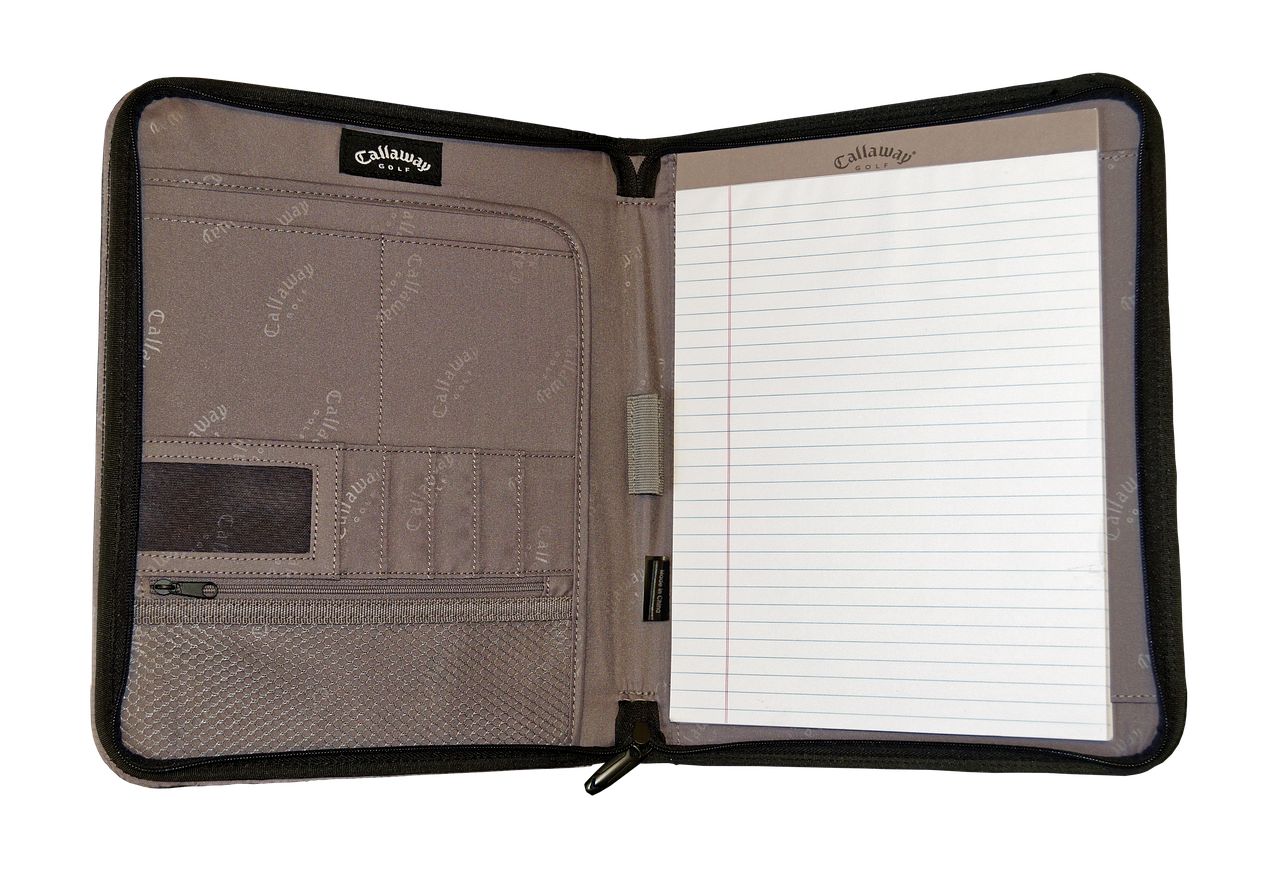
1. Gift voucher cards turn the last-minute buyer into two contacts, not one
A gift voucher card is a printed card voucher sold at the till in a sleeve or envelope. It's the one product a shop sells in December that brings a stranger through the door in the new year. The buyer is a contact. The person who opens it on Christmas morning is a second contact, often someone who has never shopped with you.
The detail that makes it work is a QR code on the back that registers the voucher and asks for an email address so the shop can send a balance reminder. Set a 'spend by' date in late January or February, for example 28 February 2026. The recipient then visits in the quiet weeks, not during the December rush when you're too busy to look after them. Digital short-run card stock, around 350 to 400gsm with a matt or silk finish, typically comes back in a few working days. Foiling, spot gloss or custom die-cut sleeves add days, so skip them this year. For what the finishes cost, ask your printer for a quote, because print prices move too much to quote here.
What to print on the back so the voucher captures the recipient
Lead with the registration line, in type big enough to read without glasses. Something like "Register this voucher and we'll email you before it runs out" works because it offers the recipient a service, not a newsletter. Put the code in the lower half of the back, at least 2.5cm square, with the short address beneath it, such as yourshop.co.uk/voucher. Keep the voucher number next to the code so the form can ask for it.
The terms go underneath in a separate block, at no smaller than 7pt. Keep them to four lines or fewer covering the spend-by date, no cash alternative, one use or balance carried, and where to check the balance. If the terms need more room than that, they belong on the landing page, with a line on the card saying where to find them.
2. A counter card by the till gets the signup ask in front of every queue
Stand an A5 or A6 easel card right next to the card reader. December queues are the longest dwell time a small shop gets all year, and the people in them are standing still with a phone already in their hand. That's the best moment you'll get to ask for an email, and a card asks every single customer without the staff having to remember.
Keep it to one offer, one QR code at least 2.5cm square, and a short URL under it. Then name the January reason to join, in words a shopper understands in two seconds. "Join our list for first pick of the January sale, opening to subscribers on 2 January" gives them a date and a benefit. A New Year event works just as well, such as a tasting evening, a make-and-take workshop or a stocktake preview. "Sign up for our newsletter" gives them neither, so it doesn't earn its place by the reader.
Where the code points matters as much as the card. Send it to a hosted landing page with a signup form on it, not to the shop's homepage, where the shopper has to hunt for a form while the queue moves. In SendTo, landing pages carry bot-protected signup forms with optional double opt-in, so the January list holds people who confirmed their address and not form-filling scripts. Give each print piece its own landing page or tagged source. In January you'll see whether the counter card or the bag insert brought in the subscribers, and SendTo's reports leave out security-scanner opens, so the open figures you compare are real people.
3. Bag inserts reach the shopper at home, where the receipt gets thrown away
A DL or A6 card goes into every carrier bag or parcel. It gets read when the shopper unpacks at the kitchen table, away from the rush at the till, and that's often the first quiet look they've had at anything from your shop. The receipt beside it goes straight in the recycling.
Make the card a January invitation, not a thank-you. Thank-you cards are pleasant and nobody acts on them. A return-visit offer valid 2 to 31 January, available only through the email signup, gives the shopper a reason to scan tonight and a reason to come back next month. The wording can be as plain as "Come back in January. Scan to get 15% off one visit between 2 and 31 January, sent to your inbox." The offer arrives by email after the double opt-in confirmation, so the person has to confirm their address to receive it, and your list stays clean.
Order the run to match expected December transactions, plus a margin. Check last December's transaction count on the till system, add your expected growth, then add around 10 to 15% for multi-bag sales and spoiled cards. A shop that took 1,800 transactions last December orders 2,000. DL and A6 on 300 to 350gsm silk are standard digital sizes and typically ship in a few working days.
4. QR table tents work for cafes, bakeries and any shop with seating
A table tent is a folded card that stands on tables or along the window counter. Seated customers have minutes to spare and a coffee going cold, so they scan things a standing shopper ignores. If the shop has five or more seats, this is the piece to order first.
Pair the code with something useful on the table today. The Christmas menu, collection slots for pre-ordered cakes or mince pies, and the last day for festive orders all give people a reason to scan right now. The signup goes in as the second step on the landing page. A customer opens the menu, books a collection slot for 23 December, and then sees "Get our January menu and quiet-week offers by email" with the form underneath. Leading with the signup and burying the menu gets fewer scans, because nobody sitting down with a flat white wants a newsletter first.
Print the code a little larger than on the counter card, around 3cm square, since the tent sits at arm's length and often at an angle. Choose coated stock with a matt or gloss lamination, because tents get wiped down with spray dozens of times a day and uncoated card goes soft within a week. Laminated tents take a day or two longer than plain card, which still fits inside the window if you approve the proof by Tuesday 18 November. A cafe's sweet spot is tents plus a bag insert. A gift shop with no seating should skip tents and put that budget into the counter card and shelf pieces.

5. A window poster sells the signup to people who have not come in yet
An A2 or A3 poster, or a removable window vinyl, works when the shop doesn't. It reaches people walking past after closing time, on Sunday mornings and during the school run, and it's the only piece on this list that talks to someone who hasn't stepped inside yet.
Use big text for the things passers-by need. That means Christmas opening hours, last-order dates for collection or delivery, and the day you reopen after Boxing Day. Put the QR code at eye height, roughly 140 to 160cm from the pavement, not in the bottom corner where a person has to crouch. Size it for distance. A rough rule is one centimetre of code for every ten centimetres of scanning distance, so someone standing a metre back needs a code about 10cm square. Under it, give the reason to join, such as "Scan for January sale dates, sent to subscribers first."
The hours on the poster must match the shop's online listings exactly. A customer who reads 10am to 4pm on Christmas Eve in the window and 9am to 5pm on their phone trusts neither, and the map listing is what they check on the day. Before the poster goes to print, update the Google Business Profile with the holiday hours so both say the same thing. Large-format posters often come back within a week, while cut vinyl takes longer and needs fitting, so order on Monday 17 November if you want it up before Black Friday.
6. Shelf wobblers and gift-guide cards point browsers to a 'gifts under' list by email
A shelf wobbler is a small card, die-cut or a plain rectangle, that clips to a shelf edge on a flexible plastic arm and sticks out into the aisle. In December it marks your gift picks, such as "Gift pick under £20" or "For the gardener". It helps the browser who has been holding two candles for five minutes and still can't decide. It also gives you an honest reason to ask for an email address, because "Get the full gift list by email" offers the shopper something useful today.
Group the wobblers by price band or by recipient, and choose one system. Under £10, under £20 and under £50 work well for a gift shop with a wide range. Recipient groups such as teachers, dads, new homeowners and dog owners suit a shop with a clear customer type. Every wobbler sends people to the same landing page. The shopper confirms their address through the double opt-in email, and the gift list arrives in their inbox right after they confirm. One page with one list keeps the setup to an afternoon, and you can still track the wobblers as their own source in January.
Keep the card small and the wording short. Around 70 to 90mm across on 350gsm stock fits most shelf edges, with the code at 2.5cm and "Gifts under £20. Scan for the full list" above it. A plain rectangle saves you the extra days a custom die-cut shape needs.
7. Branded gift tags and wrapping stickers turn a free wrapping service into a signup moment
Free gift wrapping keeps a customer at the counter for three or four minutes with nothing to do. Printed tags or round stickers that seal the paper make the wrapping look like your shop's. Those minutes are also the easiest time in the whole day to ask for an email, because the customer is waiting and the staff member is already talking to them.
A sticker roll costs little per unit and prints quickly. Digital label runs of 40 to 50mm rounds usually come back in a few working days. If your printer's quote mentions kiss-cut, core size or roll direction, the print marketing glossary for small business clients explains each term. Put the shop name and web address on the sticker and leave the QR code off. The gift goes to someone else, and a signup code on a present looks like an advert stuck to a gift.
Put the code on a small card, about the size of a business card, and hand it to the buyer while you wrap. Give staff one line to say, such as "While I wrap this, scan here and we'll email you our January sale dates first." The landing page carries the consent statement next to an unticked box, the same as every other piece here.

8. A January loyalty or 'come back' card books the next visit before December ends
A stamp card or dated return card, handed out from 1 December, gives shoppers a reason to come back in the weeks when footfall is lowest. A cafe gets "Six stamps between 2 January and 28 February, your seventh coffee is on us." A gift shop gets "Bring this card back between 5 and 31 January for a free gift with any purchase." The offer is the shop's to choose. The rule that makes it pay off is that the card works only once it's registered by email.
Registration gives you the right to remind holders in the second week of January, roughly 12 to 16 January. That's when the Christmas spending has stopped and the card is lost at the bottom of a coat pocket. A short email with "Your card has four weeks left" brings back people who forgot they had it. Public interest in email marketing peaks in January, November and December and falls to its lowest in June, so a list built now is ready for the months when you'll send the most.
Plan the January follow-up before the cards go out. Segment the list by behaviour after your first January send. People who clicked get the next offer. People who opened without clicking get a different angle, such as new stock in place of a discount. Non-openers get one re-engagement email with a plain subject line, not the same blast three more times. SendTo builds these segments from past campaigns based on clicks, unclicked opens and non-openers, so the split takes a few minutes, not a spreadsheet.
How to choose which of the eight to order this week
Two or three pieces done well bring in more subscribers than all eight done badly. Every piece needs its own landing page, a tested code and staff who know what to say about it. Most small shops can't run more than three of them properly in December. Choose the christmas print marketing ideas your small business can actually staff, using three filters. Those are your shop type, how many transactions you expect in December, and your budget.
| Shop type | Order first | Add if budget allows |
|---|---|---|
| Seated venue (cafe, bakery, deli with seats) | Table tents, bag insert | Come-back card |
| Gift retailer (homeware, books, toys) | Counter card, shelf wobblers | Gift vouchers, wrapping stickers |
| Service counter (salon, repairs, florist) | Counter card, gift vouchers | Come-back card, window poster |
Volume decides the run sizes. A shop expecting fewer than 500 December transactions gets most of its signups from a counter card and a bag insert, because every customer sees both. Above 1,500 transactions, the shelf and window pieces start to pay for their setup time. For budget, get two print quotes for your top three pieces. If you're adding the email side, the plans are on the SendTo pricing page.
The timeline is tight but it works. Send the artwork on Monday 17 November and get proofs back by Tuesday 18 November. Scan every code on two phones and approve them the same day. Short-run digital pieces then print by the end of that week, around Friday 21 November. Allow a few extra days for laminated tents and large-format posters. Everything is in the shop and on the counter by Black Friday on 28 November.
The print gets the address, and the email system does the rest. Each piece points to its own hosted landing page with a bot-protected form, a clear consent statement and double opt-in. Each gets its own source tag, so in January you can see that the bag insert brought in 140 confirmed subscribers and the window poster brought in 12. Send a welcome email the moment someone confirms, then a first January send in the first week of the month. After that, split the list by who clicked, opened or ignored it. SendTo's reports leave out security-scanner opens, so the numbers you use to judge each piece come from real people. To fit this into the rest of the season, the holiday marketing plan for small businesses covers how email, social, search, ads and print work together.
If you advise local shops, the email side is something you can sell as your own product. SendTo runs under your agency's brand with landing pages, signup forms, list cleaning and January sequences, and the platform handles sending and deliverability. If you'd rather recommend it to agencies, SendTo's affiliate programme pays you 20% of the partner subscription each agency you refer pays SendTo, every month that agency keeps paying. You never get a share of what the agency's own clients pay it. Attribution lasts 90 days from the first click, the first touch wins, and commission is paid monthly by PayPal.
Refer agencies to SendTo and get 20% of their partner subscription for every month they pay.
Join the SendTo affiliate programme