If you look after a candle maker, a ceramics studio or a garden supplies shop, this week's ChatGPT news is mostly about their product pages. The chatgpt instant checkout small business question clients are sending you right now is "can we get in?" A more useful question is this one. If they were in, would ChatGPT pick their shop? Access is arriving in stages and will sort itself out. The product feed and the product page decide which shop a buyer actually sees.
So this piece makes one argument. Spend October fixing your clients' pages, not waiting to be let in. Clean the data, write descriptions a model can quote word for word, and make the policies plain. The merchant still owns the customer after the sale, too, so a client's email list matters more than it did last month.
Below you'll get the launch facts as they stand on Thursday 2 October 2025. You'll see who can sell today, how the checkout works in the parts clients ask about, a feed checklist you can run in one afternoon and a before-and-after product description. The rest of the article covers policies, what's still unknown, the post-purchase email and an October plan.
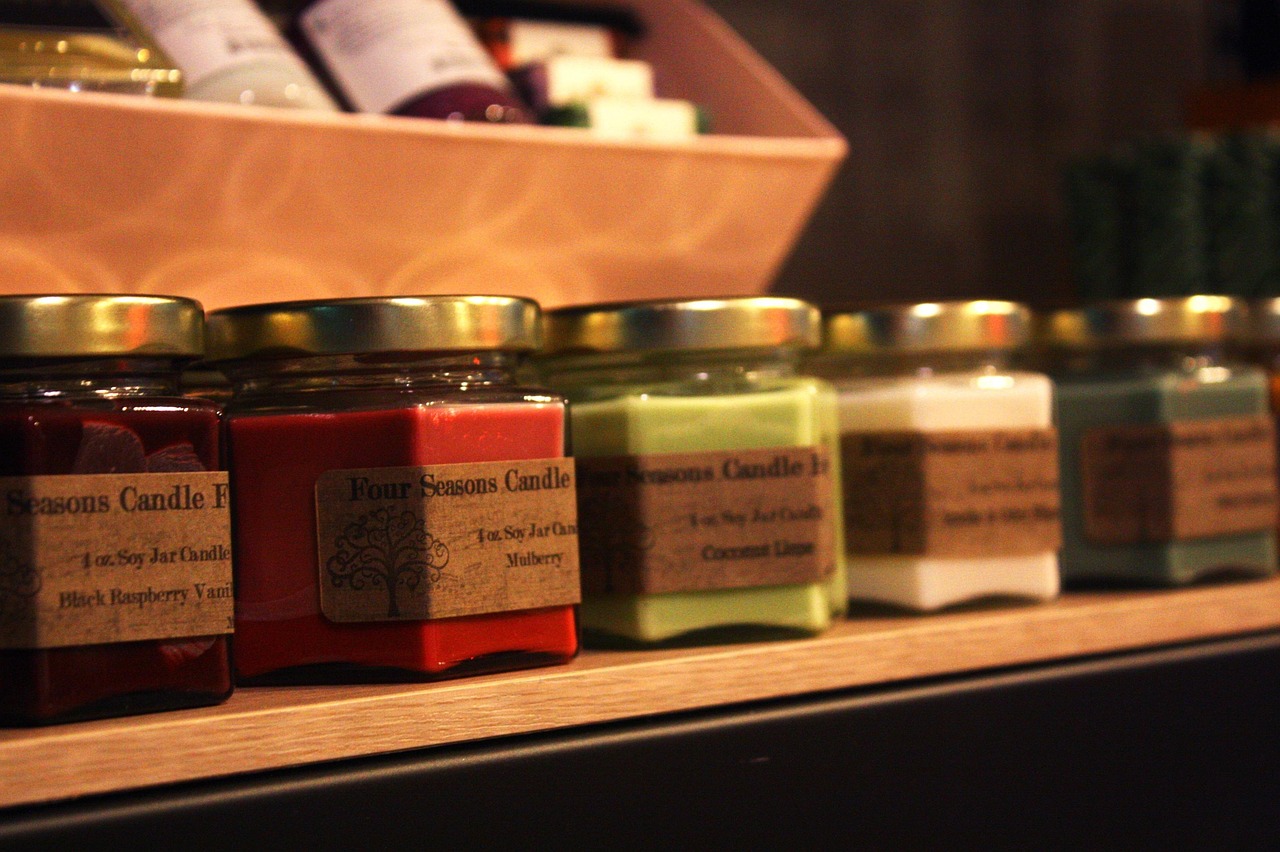
Buyers in the US can now pay for a product without leaving ChatGPT
On Monday 29 September, OpenAI switched on Instant Checkout for ChatGPT users in the US on the Free, Plus and Pro plans. A buyer asks for something like a hand-thrown mug under $40 for a coffee lover. ChatGPT shows product results, and eligible items carry a Buy button. The buyer confirms shipping and payment inside the chat, and the order goes to the merchant. They never open the shop's website.
For now it's one item per purchase. Multi-item carts have been announced as coming, with no date attached. That limit matters more than it sounds. A gift shop whose average order is three small items won't see its usual basket come through this route yet.
Access is the slow part, and you can't speed it up much. Getting ready is quick. A tidy feed, honest stock levels and clear product copy take a few afternoons per client. They also help in ordinary search and in every other AI answer that pulls product data.
Many small sellers are already in, and the rest have a clear route
The headlines made this sound like a club for big brands. It isn't. The first sellers live are US Etsy sellers, and that's a marketplace full of one-person candle studios and weekend potters. Etsy handles the connection itself, so an eligible seller has nothing to apply for. Their job is to make sure the listings are worth recommending.
Shopify merchants are listed as coming soon. No date has been given, so don't promise one to a client. Shops on any other platform can register through OpenAI's merchant interest form, and merchants with developers can read the published protocol and build against it. Buyers outside the US don't get Instant Checkout yet. A UK or Canadian shop can still tidy its data now, because ChatGPT's ordinary product results draw on the same information.
| Where the client sells | Status this week | What the agency should do |
|---|---|---|
| Etsy, US shop | Live for US buyers | Audit titles, photos, shipping profiles and shop policies |
| Etsy plus their own website | Etsy listings live, own site not yet | Keep price and stock identical on both |
| Shopify | Listed as coming soon, no date | Clean the product catalogue and feed now |
| WooCommerce, Squarespace or another platform | Not included yet | Submit OpenAI's merchant interest form and fix the pages |
| Shop based outside the US | No Instant Checkout for its buyers yet | Fix the data anyway, for ordinary product results |
How Instant Checkout works, in the parts a client will ask about
It runs on the Agentic Commerce Protocol, a standard OpenAI developed with Stripe and released as open source. In plain terms, it's a shared way for ChatGPT to pass an order to a merchant's own systems and for the merchant to say yes, no or out of stock. Your client doesn't need to understand the protocol. They need to know who does what once someone taps Buy.
The merchant stays the merchant of record. Payment goes through the merchant's own payment setup. They ship the parcel, handle returns and answer the "where's my order" email. ChatGPT takes the order and hands it over. It doesn't become the shop. A refund request for a cracked mug goes to the ceramics studio, the same as if the buyer had ordered from the website.
The buyer pays nothing extra, and the price they see is the merchant's price. The merchant pays a fee on completed purchases only. The fee level hasn't been published. If a client asks what it costs, the honest answer is "not public yet", and the place to watch is OpenAI's merchant documentation.
Clients also ask whether they get the buyer's details. The merchant receives what's needed to fulfil the order, including where to ship it. Permission to send marketing is a separate thing, and the second half of this article covers how to collect it properly.
Product results are not ads
OpenAI says product results are organic and unsponsored. There's no bid and no paid placement, so a client can't buy a higher spot. The factors it names are relevance to what the buyer asked, availability, price, quality, whether the merchant is the primary seller of the item, and whether Instant Checkout is enabled.
That last factor is one of six. Being checkout-enabled helps a product, but it doesn't outrank a better match. A shop that isn't connected yet can still appear if its product fits the request, is in stock and is priced fairly. A connected shop with a vague listing can still lose. That's why the pages are worth fixing whatever a client's access status is.
The product feed is the new shop window, so clean data comes first
A model reads the structured data before it reads the copy. Title, identifier, price, stock status, variants, shipping and images are the fields it uses to decide whether a product fits a request at all. If the feed says a planter is 20cm and the page says 25cm, the model has two answers and no reason to trust either.
Stock and price mismatches lose a recommendation fastest. Picture a garden supplies shop whose feed shows a bulb collection in stock while the website shows it sold out. Or picture a gift shop that ran a sale on the website and left the old price in the feed. Availability and price are both named ranking factors, and a mismatch fails on both. For Etsy sellers the listing itself is the feed, so the same rules apply to the listing fields.
Here's the checklist we'd run for one client in one afternoon. Start with their 20 best-selling products and work down.
- Titles: product type, key material, size or quantity and the brand, in plain words. "Stoneware Mug, 350ml, Sage Glaze" beats "The Meadow".
- Identifiers: a GTIN for any product that has a barcode, and a unique SKU for everything else, including each variant.
- Price: the feed price matches the page price, with sale prices and end dates set in both places.
- Stock: the feed updates when stock changes, and sold-out items are marked out of stock, not left live.
- Variants: each colour, size or scent is its own variant with its own SKU, price, stock and image.
- Shipping: cost, regions and delivery time are filled in, not left as "calculated at checkout" with nothing behind it.
- Images: a clear main photo on a plain background, plus one in use, at the resolution the platform asks for.
Write product descriptions a model can quote, not just skim
A model answering "a calming candle gift for my mum, nothing too sweet" looks for sentences it can repeat as facts. Mood words give it nothing to work with. Specifics give it a reason to pick your client's candle and a line to quote back to the buyer. Here's one small candle maker's listing, before and after.
Before: Our bestselling Meadow candle brings the calm of a summer field into your home. Lovingly hand-poured and perfect for cosy nights in. A gift they'll treasure.
After: A 200g soy wax candle with a cotton wick, hand-poured in a reusable amber glass jar. It smells of chamomile and cut grass, with no vanilla or sugary notes. Burn time is about 40 hours. It suits anyone who prefers light, herbal scents, and it makes a good gift under $30. Trim the wick to 5mm before each burn and burn for no more than three hours at a time. The jar is dishwasher safe once cleaned of wax.
The second version answers the questions a buyer asks in a chat. What is it made of, how big is it, how long does it last, who is it for and how do you look after it? Each sentence works on its own if it's lifted out. It also keeps the warmth. Nobody is asking you to strip the personality from a small brand. Put the facts first and let the tone carry them.
The same pattern works for a ceramic mug (capacity, clay type, glaze, microwave and dishwasher safety, handmade variation) or a garden tool (blade material, length, weight, left- or right-handed). Rewrite the top 20 descriptions first, since they carry the sales. If you want the wider thinking behind this, our piece on answer engine optimisation covers how it differs from ordinary SEO. The GEO terms clients throw at you are explained in our glossary.
Plain shipping, returns and contact policies decide whether a model trusts the shop
A buyer asking ChatGPT for a birthday gift wants two answers before they tap Buy. Will it arrive in time, and can they send it back? A policy page that says "we dispatch as quickly as we can" and "returns considered case by case" gives a model nothing to repeat. A shop that says "ships within 2 business days to the lower 48 states, $4.95 flat rate, free over $50" gives it a sentence to quote. It also gives the buyer a reason to stay.
This matters more under Instant Checkout, not less. The merchant handles returns and support, so ChatGPT passes the order over and steps back. When a hand-thrown bowl arrives in pieces, the ceramics studio's own policy decides what happens next. The buyer should be able to read that policy before paying, in the same words the studio will apply afterwards.
Three rules cover it. Policies are visible, linked from every product page and the footer. They're consistent, with the same days, costs and regions on the website, in the feed's shipping fields and in the Etsy shop policies. And they're specific, with numbers in place of adjectives.
- Shipping: dispatch time in business days, delivery estimate, cost per region and any free-shipping threshold.
- Returns: the window in days, who pays return postage, the condition items must be in, and what's excluded, such as personalised candles or cut plants.
- Contact: a real email address, a reply time such as "within one business day", and a business address.
What's still unknown, and what not to sell clients yet
Plenty is still open, and your clients deserve to hear that from you first. Instant Checkout is for US buyers only. Orders are one item at a time. Shopify merchants have no start date. The merchant fee hasn't been published. And nobody has data yet on how much traffic or revenue this route sends to a small shop, because it's been live for four days.
So don't sell an "AI checkout package" that promises more sales or a place in ChatGPT's results. You can't control the ranking, you can't see it in an analytics dashboard yet, and you'd be pricing something no one has measured. What you can sell honestly is the work itself. A feed audit, 20 rewritten descriptions and a policy clean-up are deliverables with a clear finish line. They help in ordinary search and in every AI answer that reads product data, whatever happens with checkout access.
If clients ask how AI tools behave on their own website, as opposed to inside a chat, our piece on ChatGPT Agent covers how it books, orders and enquires on real sites. One side note. Someone will ask whether an llms.txt file helps with any of this. It's no part of Instant Checkout, which reads product data, and our piece on whether small business sites need an llms.txt file explains what it does and doesn't do.
The sale happens in ChatGPT, but the customer relationship stays with the client
The order lands with the merchant, along with what's needed to fulfil it, including the buyer's name and where to ship it. That means the follow-up is still your client's job. ChatGPT won't send care tips for a soy candle or ask whether the buyer wants to hear about the winter range.
Three emails do most of the work. An order confirmation that names the product, the dispatch date and the returns policy in the same words as the website. A care email a few days after delivery, such as how to trim the wick or why the glaze varies from mug to mug. And a clear invitation to join the shop's list.
That last one needs doing properly. A purchase isn't permission to send marketing, so ask separately. Use an unticked box or a signup link in the confirmation email, keep a record of when the buyer said yes, and confirm it with double opt-in if the client sells into the UK or EU. Don't quietly add every ChatGPT buyer to the newsletter. It's the fastest way to collect complaints from people who never asked.

Here's why this matters more this month than last. Discovery is moving into AI answers your client doesn't control. They can't buy a higher spot, and they can't see why they were picked or skipped. Their email list is the one channel where they decide who hears from them and when. A buyer who found a garden supplies shop through ChatGPT in October and joined its list can be told about spring bulbs in February without asking ChatGPT again.
SendTo partners run this follow-up under their own agency brand. Hosted signup forms are protected against bots, double opt-in is a setting you switch on, and reports remove security scanner opens, so you and the client see real human opens and clicks. Plans and usage are on the pricing page.
An October plan for retail clients before the holiday rush
Black Friday is on 28 November, so October is the month to do the slow, unglamorous work while clients still have time to answer questions. Here's the sequence we'd run for each small retail client, one week at a time.
- Week of 6 October: audit the feed and the product pages. Run the afternoon checklist on the top 20 products, list every price, stock and shipping mismatch, and fix the ones that take minutes.
- Week of 13 October: rewrite the top 20 product descriptions with materials, sizes, who it suits and care instructions, then check each one against the feed before publishing.
- Week of 20 October: tidy shipping, returns and contact policies into one shared document and copy them to the site, the feed and any marketplace shop. If the client isn't on Etsy or Shopify, submit OpenAI's merchant interest form the same week.
- Week of 27 October: set up the post-purchase flow, with the order confirmation, a care email and a consent-based list invitation, and test it with a real order.
Run the email work alongside the clean-up, not after it. If a client plans to mail a bigger list in November, read our guide to preparing a client's sending domains and list through October before you load anything new.
So your next step is small. Pick one retail client, open five of their best sellers on your phone and compare each against the feed. You'll know within an hour how much October work they need. Then book the four weeks in.
If you recommend software to agencies, there's one more thing. SendTo's affiliate programme pays you 20% of the partner subscription each agency you refer pays SendTo, every month they keep paying it. Attribution lasts 90 days from the first click and the first touch wins. Commission is paid monthly by PayPal. What you earn depends entirely on the agencies you refer and how long they stay.
Refer agencies to SendTo and earn 20% of their partner subscription each month they pay.
Join the SendTo affiliate programme