A 60-second clip of you explaining a client problem will reach more strangers this week than a 2,000-word article reaches in a month. That's video's real advantage, and it's a big one. But when a technical buyer sits down to build a shortlist, they don't paste a clip into the business case. They paste paragraphs.
That's the argument here. If you've been weighing short form video vs written content b2b buyers act on, the answer isn't one or the other. Video gets an expert noticed and liked fast. Written long-form content is what engineers, finance leads and procurement teams read, forward and use to decide. Put the whole budget into video and the writing that closes evaluations goes hungry.
Below, you'll get three options judged one at a time, each with strengths, weaknesses, who it suits and a verdict. Then a side-by-side table, the real production trade-offs, and how agencies sell the combined approach as a monthly service. Everything reflects how things stand in February 2024.
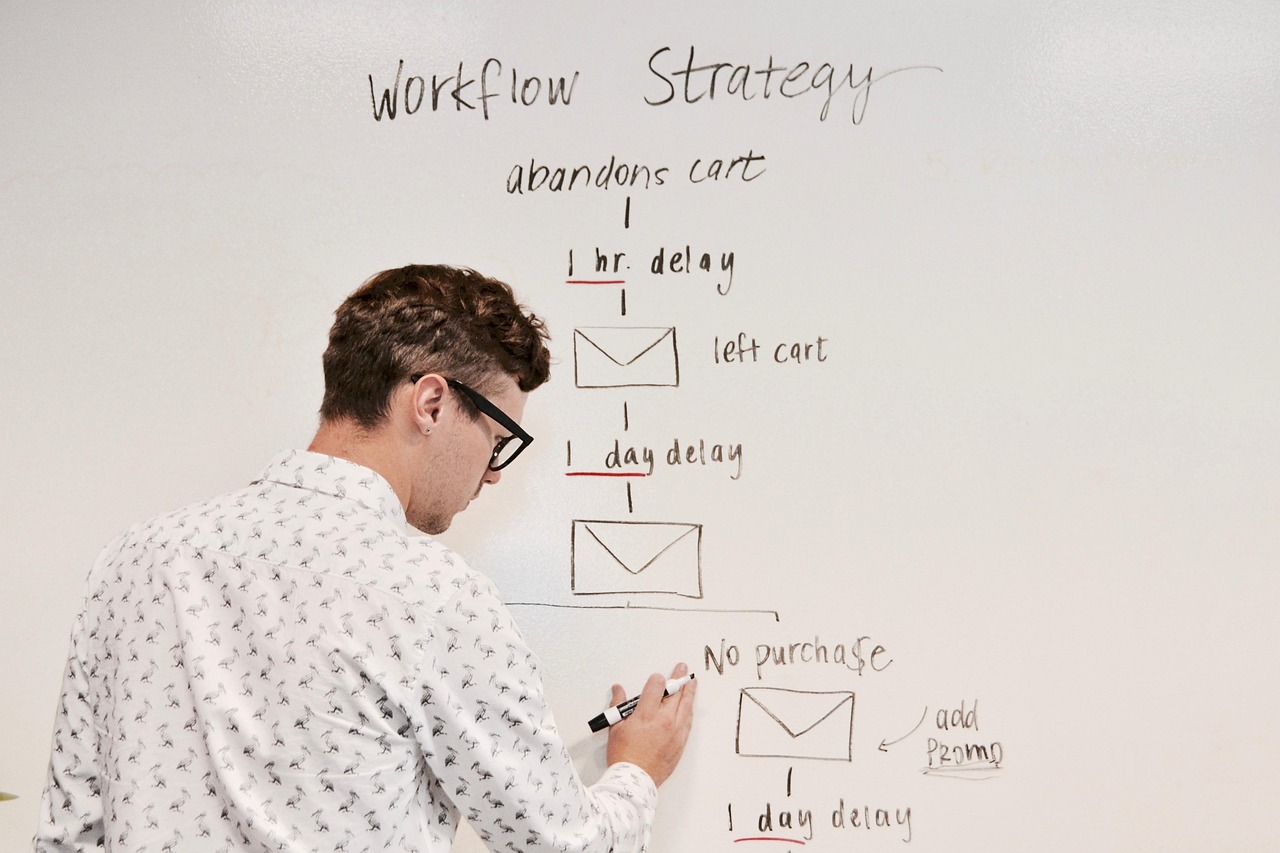
Quick pick: video earns attention, writing earns the shortlist, email keeps both
Short answer first. Each of the three options does one job well, and the right pick depends on how long your buyers take to say yes.
- Short-form video: pick it if you're a solo expert with no audience yet and your personality is what clients buy.
- Written long-form content: pick it if you sell to technical or financial buyers and can wait three to six months for search traffic to build.
- An email-led hybrid: pick it if your sales cycle runs longer than a month and you want an audience you own, not one you rent from a feed.
For a B2B firm with a buying committee, the hybrid wins. Video brings people in, writing persuades them, and the inbox keeps them close until they're ready.
Short-form video builds personal rapport faster than any other B2B format
A 60-second clip puts a human face on an expert before a buyer reads a word
B2B short-form video in early 2024 looks plain on purpose. A founder talking to camera about one mistake they see in client onboarding. A 90-second teardown of a competitor-free example, like a landing page or a pricing table, with the expert pointing at what's broken. A clip from a conference panel, captioned, cut to the single best answer. These are the everyday examples of short-form video that work in B2B, and none of them need a studio.
They get watched in short-video feeds on social apps and on professional networks, usually on a phone, often with the sound off. That's why captions aren't optional. A buyer scrolls past between meetings, stops for 40 seconds, and leaves knowing your face and one idea you hold.
Video's strengths are reach, recall and trust in the person
Is short-form video worth it for B2B, or is it only for consumer brands? It's worth it, for a specific job. Recommendation feeds push clips to people who've never heard of you, which no other format does this cheaply. A cold audience can find you in a day.
Face and voice do the rest. After seeing you five or six times, a buyer feels they know how you think, and that familiarity turns into a reply when you send a connection request or a proposal. Video is also generous with repurposing. One 40-minute recording session gives you eight to ten clips if you prepare a list of questions in advance. And the barrier for the viewer is close to zero. Tapping play takes less commitment than opening an article.
Video's weaknesses show up the moment a buyer needs detail
The trouble starts at the evaluation stage. You can't skim a video for the one figure you need, and you can't search inside it the way you search a page. A finance lead can't paste a clip into an internal business case or quote it in an email to the IT manager. Technical depth suffers too. Sixty seconds holds one idea, not a set of integration requirements or a migration plan.
Then there's dependence. Your reach lives inside someone else's feed, and when the feed changes how it ranks clips, your views drop with no warning and no appeal. Everything also rests on one presenter. If the founder goes on holiday or leaves, the channel goes quiet. Editing is the hidden cost. Cutting, captioning and formatting each clip for vertical and square screens takes time every single week, and it never stops.
Video suits founders and consultants whose personality is the product
Video fits solo consultants, agency owners who sell their own judgement, and firms entering a new market with no audience yet. If a client is buying you, your face is the fastest proof of who they're getting. A larger B2B firm with a committee-led sale gets less from it, because the person who watches the clip is rarely the one who signs.
Verdict on video: a strong opener and a weak closer
Short-form video is the best tool you have for getting a stranger to know and like you quickly. It's a poor tool for winning a technical evaluation, because nobody can forward it, quote it or search it when the real decision gets made. Use it to open conversations, never as your whole strategy.
Written long-form content is what technical decision-makers actually use to decide
A 2,000-word explainer becomes the document a buying committee passes around
Written thought leadership covers in-depth articles, guides, comparison pages, technical explainers and newsletters with real substance. It travels differently from video. One person on the buying team finds your explainer, bookmarks it, and three weeks later pastes two paragraphs into an email to the finance lead with a line saying this is the approach we should follow.
Do technical buyers watch 60-second videos? Some do, early on. But when they build a shortlist, they want something to read, because reading is how they check claims, compare options and justify a choice to colleagues. Your article ends up in the evaluation folder. Your clip doesn't.
Writing's strengths are depth, search traffic and shelf life
A good article ranks in search for months or years, bringing in people who typed the exact problem you solve. It's skimmable, so a busy reader jumps to the section they need. It's quotable, which is how it spreads inside a company. It proves technical competence in a way a talking head can't, because the detail is on the page for anyone to check.
It also lives on your own site, so no feed can take it away. And when facts change, you edit a paragraph. You don't book a camera, re-record and re-edit.
Writing's weaknesses are slow starts and a missing human voice
How long does written content take to pay off? Expect three to six months before a new article ranks well, and longer in crowded topics. Video shows results in days. Writing also needs real expertise. A generalist writer produces something generic, and generic pages now compete with a flood of low-effort machine-written content saying the same thing. Readers spot it in a paragraph.
Writing builds less personal rapport. A reader respects your thinking without feeling they know you. That gap matters when the client is buying a relationship.
Writing suits firms selling to engineers, finance teams and procurement
Long-form writing fits technical services, software, compliance-heavy sectors and any sale that needs several sign-offs. If your buyer has to explain the choice to someone else, give them the words to do it.
Verdict on writing: the format that converts, if you can wait for it
For a long B2B sales cycle, written content generates more qualified leads than video, because the people who find it are already searching for the problem and the people who forward it are already evaluating. Its weakness is speed. Start writing now and expect the return in the second quarter, not this one.
An email-led hybrid turns borrowed attention into an audience you own
The hybrid uses each format for the job it does best and routes everyone to the inbox
The hybrid runs like this. You record one conversation. It becomes five to ten clips for social feeds, each pointing to a signup form. People who sign up get a short welcome sequence, then a regular newsletter that delivers your long-form articles. Video does the reach, writing does the persuading, and email does the keeping.
The form matters more than it looks. Bot signups fill a list with fake addresses that hurt your sending reputation, so use bot-protected forms embedded on your site or hosted on a landing page, with double opt-in where you want proof of consent for GDPR. SendTo provides both, along with the newsletter and sequences, which covers the email layer in one place.
The hybrid's strengths are ownership, measurement and compounding reach
Why build a list when your videos already get reach? Because a list survives algorithm changes. If a feed buries your clips next month, your subscribers still get Tuesday's newsletter. You can split them by behaviour too, using segments built on what subscribers clicked, so the reader who clicked your pricing article gets a different follow-up from the reader who opened and moved on.
Measurement gets more honest. Corporate inboxes run link checkers that open and click emails automatically, and those security scanner opens skew the numbers badly in B2B. SendTo's reports exclude scanner opens and show real human opens and clicks, so you know which ideas decision-makers engage with. Over months, a steady newsletter becomes the drumbeat that keeps you in mind when the budget arrives.
The hybrid's weaknesses are workload and the new rules for bulk senders
You're running three workflows now, not one. Clips, articles and emails each need a schedule and an owner. The list needs cleaning, because old and invalid addresses drag down delivery for everyone else on it.
Sending rules also got stricter this month. From 1 February 2024, the largest mailbox providers require bulk senders to authenticate their domains, offer one-click unsubscribe and keep spam complaint rates low. Yes, a thought leadership newsletter counts once your list grows. SendTo handles address checks, warmup of new sending domains and sending speed for you, but no platform writes your articles or decides what your audience needs to hear. That part is still your work.
The hybrid suits agencies and firms that sell over months, not days
It fits long B2B sales cycles, agencies running content for retainer clients, and consultants sitting on years of expertise that's never been written down. If your buyers take a quarter to decide, you need a way to stay in front of them for a quarter.
Verdict on the hybrid: the most work and the most durable result
The hybrid asks the most of you, with three formats, a clean list and the new sending rules to respect. In return, it's the only option where the audience you build belongs to you and grows every month. For any sale longer than a few weeks, that trade is worth making.
Short form video vs written content in B2B comes down to seven criteria
Here's how the three options compare, one row each. Each rating describes the format when it's done well, not at its worst.
| Option | Speed to first result | Personal rapport | Technical depth | Shelf life | Audience ownership | Production effort | Measurability |
|---|---|---|---|---|---|---|---|
| Short-form video | High, views within days | High, face and voice do the work | Low, one idea per clip | Low, the feed moves on within days | Low, followers sit on a rented feed | Medium to high, editing every week | Low, views say little about buyers |
| Written long-form | Low, three to six months to rank | Low to medium, respect without familiarity | High, room for detail and proof | High, ranks for months or years | High, it lives on your own site | Medium, expert hours up front, cheap to update | Medium, search traffic and reading depth |
| Email-led hybrid | Medium, clips bring early signups | High, video plus a regular voice in the inbox | High, articles delivered to subscribers | High, the list and archive keep growing | High, the list is yours | High, three workflows to run | High, human opens, clicks and segments |
Read across the hybrid row and you'll see it's the only option with no low rating except effort, and effort is the one cost you control. If you can only fund one format this quarter, pick the column that matches your bottleneck. Choose speed if nobody knows you yet, and depth if prospects already know you but don't shortlist you.
Production effort favours writing more than most teams expect
Video looks cheap because recording is quick. The cost comes afterwards. Each clip needs cutting, captions, a hook in the first two seconds and versions for vertical and square screens. In our experience, a well-finished clip takes 30 to 60 minutes of editing, and you need several a week to stay visible. That's a recurring bill that never shrinks.
An article costs more up front and far less over its life. Turning a transcript into a strong 2,000-word piece takes an expert editor most of an afternoon. After that, it keeps working for months, and refreshing it means rewriting a paragraph, not booking a new shoot.
One recorded conversation becomes an article, five clips and a newsletter
How do you turn one piece of thought leadership into several formats without tripling the work? Record once and cut many times. Sit the expert down for 40 minutes with a prepared list of questions your buyers actually ask. Then work through it in this order.
- Get a transcript and edit it into a long-form article with headings, examples and the detail a buying committee needs.
- Pull the five sharpest answers as clips of 60 to 90 seconds, each ending with a pointer to your signup form.
- Write a newsletter that gives the article's main argument in a few paragraphs and links to the full piece.
- Post shorter written extracts on professional networks, where B2B buyers already scroll during the working day.
This also answers a question that comes up a lot, which is the four types of content. The usual list is written, video, audio and visual. One recording session covers three of them if you keep the audio for a podcast feed. As for the 5 5 5 rule you'll hear about on social media, the most common version is a daily habit of five of your own posts, five comments on other people's posts and five shares or reactions. It's a decent rhythm for reach. Treat it as a way to drive traffic to your writing, not as the strategy itself.
The newsletter needs real text, sent when your readers are at their desks
There's a shortcut that wastes the article. Designers sometimes export the newsletter as one large image because it looks exactly as planned. Many corporate inboxes block images by default, screen readers can't read them, and nobody can copy a paragraph from a picture into an internal email. Text and HTML layouts outperform single images for exactly those reasons, and the newsletter is the part of the system built to be forwarded.
Timing matters when your buyers are spread out. A newsletter sent at 9am London time arrives in the middle of the night on the American east coast and gets buried under the morning's mail. Delayed delivery that sends by the reader's time zone puts each issue in the inbox during working hours, which is when a decision-maker has the article open next to the business case.
Agencies can sell the hybrid as a recurring service instead of a content project
Can an agency sell content strategy as a monthly service rather than a project? Yes, and the hybrid suits it better than any single format does. A one-off content project ends with a folder of articles and a final invoice. The hybrid never ends. There's a recording every month, clips every week, an article to publish and a newsletter to send. That's a retainer written into the work itself.
Package it as one monthly line with three parts. You run the recording session and clipping. You produce the long-form article. You run the client's branded newsletter and welcome sequence on an email platform that carries your agency's name, not someone else's. The third part is what keeps the retainer going, because the subscriber list and the reporting live in a portal the client logs into every month.
SendTo is built for that third part. You run the email platform under your own brand and set your own client prices, and each client buys their own sending usage on top of the subscription you set. The platform designs HTML emails from a campaign brief and the client's brand presets in seconds, and a built-in reviewer checks subject lines, links, structure and basic compliance before anything goes out. Address checks, domain warmup and sending speed are handled for you. What SendTo doesn't do is the strategy, the recording or the writing. Those stay your agency's work, and they're what the client pays you for.
For what SendTo costs you as a partner, see the pricing page. If you already sell advisory work and want to know how others have made it a monthly line, read how agencies turn strategy consulting into recurring software revenue.
Overall verdict: lead with writing, use video to send people to it, keep them with email
Short-form video on its own is the weakest choice for technical B2B sales. It gets you known, and it's worth doing for that. But the buyers who sign need something they can search, quote and forward, and a clip gives them none of that. A solo consultant whose personality is the product gets the most from video. A larger firm with a buying committee gets the least.
Written long-form content alone is strong but slow. It's the format that wins evaluations, and if you start now, the return arrives in the second quarter. If you can only afford one format and your sale is technical, choose writing.
For anyone with a sales cycle longer than a month, the email-led hybrid wins. Video brings strangers in, writing earns the shortlist, and the list keeps you in front of the committee until the budget is signed. It's the most work of the three, and it's the only option where the audience still belongs to you next year.
If you write for agency owners, the hybrid makes a natural recommendation. It gives agencies a recurring service to sell, and SendTo is the email platform they run it on under their own brand.
Affiliates who recommend SendTo to agencies earn 20% of the partner subscription each referred agency pays SendTo, every month it pays, and never a share of what that agency's own customers pay it. Attribution lasts 90 days from the first click, the first touch wins, and commission is paid monthly by PayPal.
Join the SendTo affiliate programme