A promo blast on Black Friday morning gets you a week of clicks. A newsletter that has been answering agency owners' questions since September gets you the signups that come in January, when those owners make their decision. That's the argument of this piece. It matters most for recurring software commission, because a referral only pays for as long as the agency keeps paying.
It's Friday 20 November 2026. Black Friday is on 27 November and Cyber Monday is on 30 November. If you're weighing up affiliate newsletter vs promotional emails for the next ten weeks, you have three real options. You can send pure promo blasts, keep a pure evergreen newsletter going, or run a hybrid. The hybrid is a newsletter with one promo slot in each issue, plus two or three standalone sends for deadlines that really are dated.
Each option below gets the same treatment, an overview, its strengths, its weaknesses, who it suits and a verdict. A side-by-side table follows. We use SendTo's own affiliate programme as the worked example throughout, because we know exactly how its attribution and commission work.
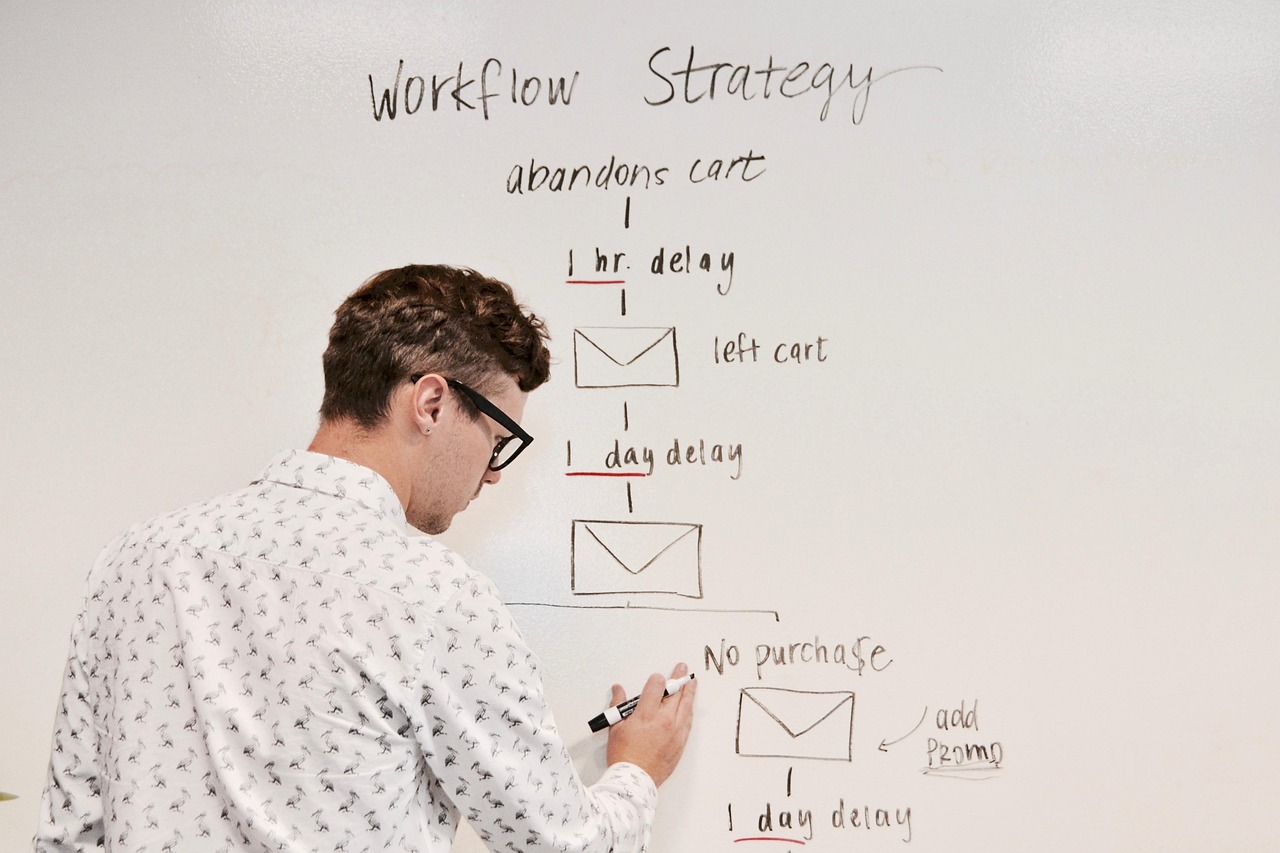
Quick pick: let the newsletter carry the year and keep blasts for a few dated deadlines
If you promote recurring agency software, pick the hybrid newsletter with one promo slot. Keep your normal sending rhythm, put one clearly labelled offer in each issue, and save standalone sends for two or three dated deadlines, sent only to readers who've engaged recently.
Pure promo blasts suit one case. That's a small, warm list that has opened or clicked in the last 60 days, chasing a deal with a real end date. A pure evergreen newsletter suits creators and consultants who are still building trust and don't have an offer deadline yet. Everyone else should run the hybrid.
The choice you make in Cyber Week decides who signs up in January
Interest in email marketing peaks in November, December and January, and it's lowest in June. That calendar shapes the buyer you're writing to. An agency owner reading your email during Cyber Week is busy running client promotions. Over the holidays the same owner works out which new revenue lines to add next year. In January they act on that plan.
So the email that gets the click in late November and the email that gets the signup in January are often two different emails. Sometimes they come from two different senders. That's why attribution matters more than the click count on your dashboard.
SendTo's affiliate attribution lasts 90 days from the first click, and the first touch wins. Say an agency owner clicks your link on Cyber Monday and signs up on 12 January. You get the referral, as long as your click was the first one they made on a SendTo affiliate link. A click on 30 November stays attributed until late February. If you want the longer argument for why a 90-day window suits a slow B2B decision, we covered it in 30, 60 or 90 day cookie windows.
Promo blasts win one week and cost the list for the rest of the quarter
A promo blast is a standalone sales email sent against a deadline. It carries one offer and one call to action, and in Cyber Week affiliates often send several in a single week.
Promo blasts are fast and simple: one offer, one deadline, one link
A typical blast has a subject line naming the deal, three or four short paragraphs on why it matters, a button, and a reminder of when it ends. A common Cyber Week run is a launch email on Black Friday, a reminder over the weekend, and a last-call on Cyber Monday evening. Some affiliates add a daily email from the Tuesday before.
On a click dashboard, blasts look great. Every click comes from one email with one link, so the spike is easy to read and easy to credit to the send that caused it.
Promo blasts collect clicks from readers who had already decided
Blasts do real work, and it's fair to give them credit for it. A genuine deadline makes people act. If a reader already wanted the product and was waiting for the right moment, a clear end date gives them that moment.
- Urgency is real when the deal really ends, and it moves readers who were close to deciding.
- Attribution is clear, because one email with one link makes the result easy to read.
- A blast takes less than an hour to write, which suits a busy week.
- They fit dated deals well, where the only job is to tell people when the offer closes.
Promo blasts tire out the list and teach readers to wait for the next deal
The cost shows up after the clicks. Four sales emails in five days push unsubscribes and spam complaints up, and readers who don't complain just stop opening. By mid-December your open rates are lower than they were in October, and mailbox providers have noticed.
That matters because January is when your agency-owner readers act. A sending reputation hurt in late November is still recovering when the year's best buying window opens. Blasts also train readers to wait for the next deal. An agency that signs up only because of a discount is the agency most likely to leave when the discount ends.
With recurring commission, that's the real loss. On SendTo, you earn 20% of the partner subscription each referred agency pays, every month it pays. An agency that leaves in March stops paying you in March. Ten quick signups that churn early can earn you less than three agencies that stay for two years.
Promo blasts suit a small, warm list with a deal that really has a deadline
Blasts work when your list has opened or clicked in the last 60 days and you have a genuine dated offer to announce. A list of a few hundred agency owners who read you every week will take two or three deadline emails without trouble. Cold segments, readers who joined from a lead magnet two years ago, and anyone who hasn't opened since summer should not get them. To those readers a blast is a stranger asking for money.
Verdict: promo blasts are a tool for a few dated days, not a sending habit
Use blasts for the deadline and stop when the deadline passes. As a regular habit they wear out the list you'll need in January. If you still plan a short run this year, our guide to a Black Friday email sequence for recurring SaaS offers keeps it to a sensible number of sends.
Evergreen newsletters build the trust agency owners need before they change platforms
An evergreen newsletter is a regular educational email, sent weekly or fortnightly. It answers the questions agency owners actually ask. Is list cleaning legitimate? Why do companies send from secondary domains? How do you track open rates accurately? How should you price a white-label email platform for your clients?
An evergreen newsletter earns its clicks slowly, by answering one real question per issue
A good issue takes one question and answers it properly in 400 to 700 words. For example, an issue might explain why a florist's open rate looks inflated because security scanners open every email before a person does, and what an agency should report to that client instead. The affiliate link sits inside that answer, at the point where the product solves the problem, with a plain disclosure. It isn't the whole email.
A fortnightly rhythm is realistic for a solo creator or consultant. Weekly is better if you can keep it up through December without the quality dropping.
Evergreen newsletters keep opens steady and bring in agencies that stay
Readers open newsletters out of habit, so engagement holds through December while promo-heavy lists sag. That keeps your sender reputation healthy going into January, which is exactly when you need it.
The agencies you refer this way arrive informed. They've read six issues on deliverability and pricing, so they know what they're buying and why, and they're less likely to leave in the first few months. Old issues keep working too. An agency owner who's ready in January searches their inbox for the issue on secondary sending domains, rereads it, and clicks.
Evergreen newsletters are slow and easy to let slide
The downsides are real. Week to week, attribution looks weak, because a click in issue 14 often follows reading issues 9 to 13, and the dashboard credits only the one with the click. Writing a useful issue every week or two takes several hours. It's easy to miss a real deal window while you stay on your editorial schedule. And with no deadline, there's no urgency, so a reader who means to sign up "after the holidays" puts it off until spring.
To tell whether a newsletter is working when its clicks look smaller than a blast's, look at signups per hundred clicks and how long referred agencies stay, not clicks per send.
Evergreen newsletters suit creators and consultants still building authority
This option fits bloggers, freelance marketers and consultants whose readers are agency owners, or people planning to start an agency, who are still researching. If your readers are comparing approaches and learning the vocabulary, a newsletter that teaches them earns you the right to recommend something later.
Verdict: the newsletter is the engine, but on its own it leaves December money on the table
A pure newsletter builds the trust that recurring commission depends on. On its own, though, it ignores the one week of the year when ready buyers are looking for a reason to act now. It's the right base, but it isn't the complete plan.
The hybrid newsletter, with one promo slot, does both jobs without burning the list
The hybrid keeps the newsletter's rhythm and adds one clearly labelled offer block to each issue. In the whole Cyber Week to January period, it sends at most two standalone emails, and only to engaged segments.
The hybrid adds one offer block to each educational issue
The layout stays the same every time. The lead article comes first. Then comes a boxed offer block, labelled as a partner offer, with two sentences and one link. A short reader question closes the issue, such as "What's stopping you from adding email to your retainers?"
In Cyber Week the offer block names the dated deal and its end date. In January it goes back to a plain recommendation, tied to that issue's topic and to new-year revenue planning.
The hybrid keeps the trust and still catches the deadline
- Readers keep their routine, so open rates hold through December.
- The offer shows up in every issue, so ready buyers always have a link to click.
- Urgency goes only to readers who've shown interest, so cold readers never get a hard sell.
- The labelled block keeps the line between advice and advertising clear, which protects trust.
The standalone sends work because they're targeted. Before Black Friday, segment your list by clicks, unclicked opens and non-openers from your last few issues. Send the deadline email to the clickers, and give everyone else the normal issue. In SendTo, you build those segments straight from past campaign activity.
The hybrid needs segmentation and discipline about how many offers go in
The hybrid takes more planning than either pure option. You run two calendars, one editorial and one for offers, and you need clean segments to make the standalone sends safe. The biggest risk is creep. One offer block turns into two, then a sponsored mention, and by February your newsletter has become a blast with a short article on top. Set a rule of one offer per issue and stick to it.
The hybrid suits affiliates with a mixed list of ready buyers and researchers
This is the setup that matches a typical SaaS affiliate list. Some of your agency-owner readers are ready to switch platforms this month. Others are a year away. The hybrid serves both groups without asking you to pick one.
Verdict: the hybrid is the right default for recurring agency software
It keeps the trust that brings agencies in and keeps them paying, and it still catches the dated deal for readers who are ready now. For recurring commission, it's the option to choose.
Affiliate newsletter vs promotional emails: how the three options compare side by side
| Option | Cyber Week clicks | January signups | List fatigue risk | Retention of referred agencies | Effort per week | Attribution clarity | Best fit |
|---|---|---|---|---|---|---|---|
| Pure promo blasts | High | Low | High | Low | Low | High | Small warm list with a dated deal |
| Evergreen newsletter | Low | Medium | Low | High | High | Low | Creators still building trust |
| Hybrid newsletter | Medium | High | Low | High | Medium | Medium | Mixed lists of ready buyers and researchers |
Read the table by lifetime commission rather than by the Cyber Week clicks column, because recurring income depends on January signups and on how long those agencies stay. On that basis the hybrid comes out ahead, even though blasts win the first column.
A promotional email is defined by its purpose, and the consent rules follow from that
A promotional email is any email whose main purpose is to sell or advertise a product or service. If the affiliate link is the reason you're sending it, it's promotional, even when it's short, friendly and signed with your first name. A Black Friday blast with one button is promotional. So is a "quick note" whose only real content is a discount code.
A newsletter that carries an offer is different. Say the issue exists to explain how an agency should talk a dentist client through secondary sending domains, and the offer block sits below that answer. Then the main purpose is information, and the offer comes second. The hybrid is built on that line, and it's why the offer block gets a label instead of being woven into the advice.
Consent follows the same logic. Under GDPR and the e-privacy rules that sit beside it, marketing email generally needs a clear basis, and for most affiliates that means opt-in. Four habits cover the basics.
- Collect opt-in consent at signup, and keep a record of when and where each subscriber joined.
- Send from a name and address your readers recognise.
- Put a working unsubscribe link in every email and act on it promptly.
- Disclose affiliate links in plain words next to the link, not in a footer.
Opt-in is easier to prove when the form does the work. SendTo's signup forms block bots and offer double opt-in, so every address on your list has confirmed it wants your email. If your list is older and you're unsure what's on it, cleaning your affiliate newsletter list before the peak is legitimate work. Removing dead and risky addresses protects the readers who do want to hear from you.
Which kind of affiliate you are decides which option you can credibly send
There are three main types of affiliates, and the split is about how close you are to the product.
- Unattached affiliates promote a product they don't use, often through paid traffic or coupon pages, with no audience of their own.
- Related affiliates have an audience in the niche, such as agency owners, but haven't used the product themselves.
- Involved affiliates use the product, know its quirks and vouch for it from experience.
Unattached affiliates lean on blasts, because they have little else to say. They also face the hardest trust problem. An agency owner moving client accounts wants to know the person recommending a platform has actually opened it, and a blast from a stranger rarely answers that.
Related affiliates do well with the hybrid, as long as the issues answer real questions and the offer block is honest about what they haven't tested. Involved affiliates get the most from the newsletter. A consultant who ran a client's December sends through SendTo can write an issue on what the reports showed once scanner opens were stripped out. A blast can't carry that.
The 30/30/50 rule belongs to cold email, not to your list
The 30/30/50 rule is a cold email rule of thumb that circulates in a few versions. The common one says roughly 30% of your result comes from who you target, 30% from the message and 50% from following up. The numbers don't add to 100, which tells you it's a reminder about priorities, not maths.
It doesn't fit a subscriber list. Your readers asked to hear from you, so targeting is settled, and relentless follow-up is exactly what wears a list out in Cyber Week. Borrow only the weight it puts on follow-up. In a newsletter, that means one re-pitch, with a new angle, to people who opened without clicking.
Whether $10,000 a month is possible depends on recurring maths, not on Cyber Week clicks
Some affiliates do make $10,000 a month. Most don't, and nobody can promise you will. With recurring software, two numbers decide it, how many paying agencies you've referred and how long they stay.
SendTo's programme works like this. You earn 20% of the partner subscription each agency you refer pays SendTo, every month that agency pays it. You never earn a share of what the agency's own customers pay the agency. Commission is paid monthly, by PayPal. For what the partner subscription costs, see the pricing page.
That's why Cyber Week clicks are a poor guide. A referral that leaves in February earned you a couple of payments. One that stays for years keeps paying every month. Your income at any point is the agencies still paying, so retention matters as much as new signups. Our guide to forecasting recurring affiliate income from agency referrals models churn and new referrals month by month.
A week-by-week plan from 23 November to the end of January keeps the list warm
This plan assumes the hybrid and a list that's had a regular issue since the autumn. If you send fortnightly, widen the gaps but keep the order.
Week of 23 November: a normal issue with a soft offer block
Send your usual educational issue, perhaps on why open rates look inflated in November when security scanners are busy. The offer block mentions SendTo plainly, with a disclosure and no countdown.
27 to 30 November: one standalone send to engaged clickers only
Send one deadline email to readers who clicked in your last few issues. Nobody else gets anything extra. If there's a real dated deal, name it and its end date. If there isn't, send a clear recommendation without urgency, because a fake deadline costs more trust than it wins. Run it through SendTo's AI reviewer first. It checks the subject line, structure, links and basic compliance, so a broken link doesn't go out on Cyber Monday.
December: two educational issues, with the promo slot kept small
Two issues is enough. Good topics are list cleaning before the new year and pricing a white-label platform for retainer clients. The offer block shrinks to one sentence and a link.
Early January: new-year revenue goals, with the offer block back
This issue does the most work. Write about turning existing retainer clients into recurring platform revenue, and bring the full offer block back. Readers who first clicked in late November are still inside their 90-day window.
Mid January: re-pitch the people who opened without clicking
Segment readers who opened the January issue but didn't click, counting human opens only. Send one short follow-up with a different angle, such as a worked example of a client's monthly report. Then stop.

Overall verdict: the newsletter wins the year and the blast wins only a few days
For recurring agency software, the hybrid newsletter comes first. It keeps the trust that brings agencies in and still catches ready buyers in Cyber Week. The evergreen newsletter comes second, the right engine with no way to use a real deadline. Pure promo blasts come third, strong for a few days and costly for the quarter after.
The order flips in two cases. If your list is small, has engaged in the last 60 days and has a dated offer in front of it, blasts move up, provided you stop when the deal ends. If you're new, still building trust and have no deadline, the pure newsletter beats the hybrid until readers know you.
Send the newsletter all year, put one offer in it, and keep blasts for the two or three days with a real end date.
If you write for agency owners, SendTo pays you 20% of the partner subscription of every agency you refer, every month it pays, with 90-day first-touch attribution and commission paid monthly by PayPal.
Join the SendTo affiliate programme