A coupon page and a use-case tutorial earn from two different readers. That's the whole answer to affiliate coupon page vs tutorial content, and everything else follows from it. The coupon page catches the agency owner who has already chosen a platform and only wants the link. The tutorial reaches the owner who is still deciding, and the owners who sign up after following a real setup tend to keep paying.
That second reader matters most on a programme that pays you for every month an agency stays. Our affiliate programme at SendTo pays 20% of the partner subscription for as long as the referred agency pays it. So on our offer, the tutorial usually earns more over the life of each referral. The coupon page still has a job to do. It just shouldn't be your whole plan.
Below you'll get a quick pick, then the yardstick we use to judge "earns more". After that, each of the three options gets its own strengths, weaknesses, best fit and verdict. Those options are the coupon page, the tutorial and a hybrid of the two. We're writing this in the week of 7 May 2026, and that date matters for when you publish each one.
Quick pick: tutorials win on lifetime commission, coupon pages win on speed
For a recurring B2B SaaS offer, a use-case tutorial is the better long-term earner. It reaches agency owners earlier, so it wins the first click more often. It also brings in owners who already know what they'll use the platform for. A coupon page converts faster on each visit, but only for readers who have already decided, and those readers have often clicked someone else's link first. If you only have time for one page, build a tutorial with a clear offer block in it.
- Coupon page: pick it if you already have readers who've chosen the product and just need the link.
- Use-case tutorial: pick it if you want referrals that keep paying month after month.
- Tutorial with an offer block: pick it if you can only build and maintain one page.
Recurring commission changes what 'earns more' means
A one-off payout rewards the click. You get paid once, so the page that turns the most visitors into sign-ups this week wins. A monthly share rewards something else entirely, which is how long the agency stays. A referral that pays for two months and leaves is worth a fraction of one that stays for two years, even though both counted as one sign-up on the day.
Here are our terms, exactly as they stand. You earn 20% of the partner subscription each agency you refer pays SendTo, every month that agency pays it. You never earn a share of what that agency's own clients pay the agency, because those payments belong to the agency. Attribution lasts 90 days from the first click, and the first touch wins. We pay commission monthly, by PayPal.
Those two details, first touch and monthly payment, decide this whole comparison. First touch means the page that reaches the owner earliest gets the credit for the next 90 days. Monthly payment means a referral's value depends on retention. That's also the honest answer to "what is the highest paying affiliate program?" The highest headline rate isn't always the one that pays you most over a year. A steady monthly share on agencies that stay can beat a bigger one-off fee. We cover the maths of that in why referred agency churn is the real ceiling on your recurring commissions.
So we judge each option on the criteria that decide lifetime commission, not clicks alone:
- Reader intent, meaning how close the visitor is to buying
- Conversion speed on each visit
- Share of first touches you're likely to win
- Likely retention of the agencies you refer
- Ranking competition for the page's search terms
- Effort to build
- Upkeep once it's live
- Fit for a recurring commission
Coupon pages convert fast because the reader has already decided
A B2B SaaS coupon or deal page is a short page built to rank for searches like "[product] discount", "[product] promo code" or "[product] deal". It names the offer, explains how to claim it and gives the reader your affiliate link. Sometimes it also gives an affiliate code, a short code tied to you that the buyer enters at checkout so the sale is credited to your account. The person typing those searches has done their research. They know the product. They want the price to drop or, failing that, the fastest way in.
Do coupon pages still convert for B2B SaaS, or only for consumer products? They convert for B2B too, and the reason is the same. An agency owner who has picked a platform searches for a deal before paying, just as a shopper does before buying trainers. The difference is what happens after the sign-up, and that's where the trouble starts.
Strengths of coupon pages
- High transactional intent. The visitor has decided and is looking for a reason to act today.
- A short page. A few hundred words, the offer, the steps and the link.
- Quick to publish. You can write and launch one in an afternoon.
- A clicked link lands near the signup. There's little distance between your page and the account form.
Weaknesses of coupon pages
The results page for any coupon search is crowded. Deal sites, aggregators and other affiliates all target the same few terms. Readers know this, so they open four tabs and bounce between them looking for the best code. Your page is one stop on a tour, not the destination.
The bigger problem is attribution. If someone else's link was clicked first, will your coupon page get the credit? Under first-touch attribution, no. Think about when an owner searches for a code. It's usually after they've read a review, watched a demo or followed a tutorial, and that earlier page may well have carried another affiliate's link. If that click happened inside the last 90 days, the referral stays with them. Your coupon page did the final nudge and earns nothing for it.
Retention is the other weakness. Sign-ups driven by price shopping tend to churn, because the owner chose on cost rather than on a job the platform does for them. When the next deal appears elsewhere, they're the first to move.
Who coupon pages suit and the verdict
Coupon pages suit affiliates who already have an audience close to buying, such as an email list that has read your reviews for months. They also suit sites that pull brand-search traffic, where people type the product name plus "deal" into a search bar. In both cases you're more likely to hold the first touch already.
Verdict: a coupon page is a useful catch page at the bottom of the funnel. On a recurring offer, it's weak as your main earner.
Use-case tutorials reach agency owners while they are still choosing
A use-case tutorial walks through a real job from start to finish. Take "how an agency launches branded email for a florist client", or "how to show a client a finished campaign in the first few minutes of a call". The reader isn't searching for a product name yet. They're searching for how to do the work, and your page shows them.
Here's what a good SendTo tutorial actually shows. Picture a consultant on a call with a florist who wants a Mother's Day campaign. The consultant types a short brief, picks the florist's brand preset, and SendTo designs the HTML email in seconds. If the florist wants a different look, one-click remix produces another version while they're still talking. Before launch, the built-in AI reviewer checks the subject line, structure, language, links and basic compliance. The tutorial then covers the parts the florist never sees. Addresses are verified before sending, and warmup runs automatically on the new sending domain. Volume is spread across several brand-matched sending domains, so no single domain carries the full load. Finish with the bot-protected signup form on the florist's site, the client portal, and reports that leave out security-scanner opens so the florist sees human opens and clicks. We show what fits into a short call in our review of the AI campaign designer for five-minute demos.
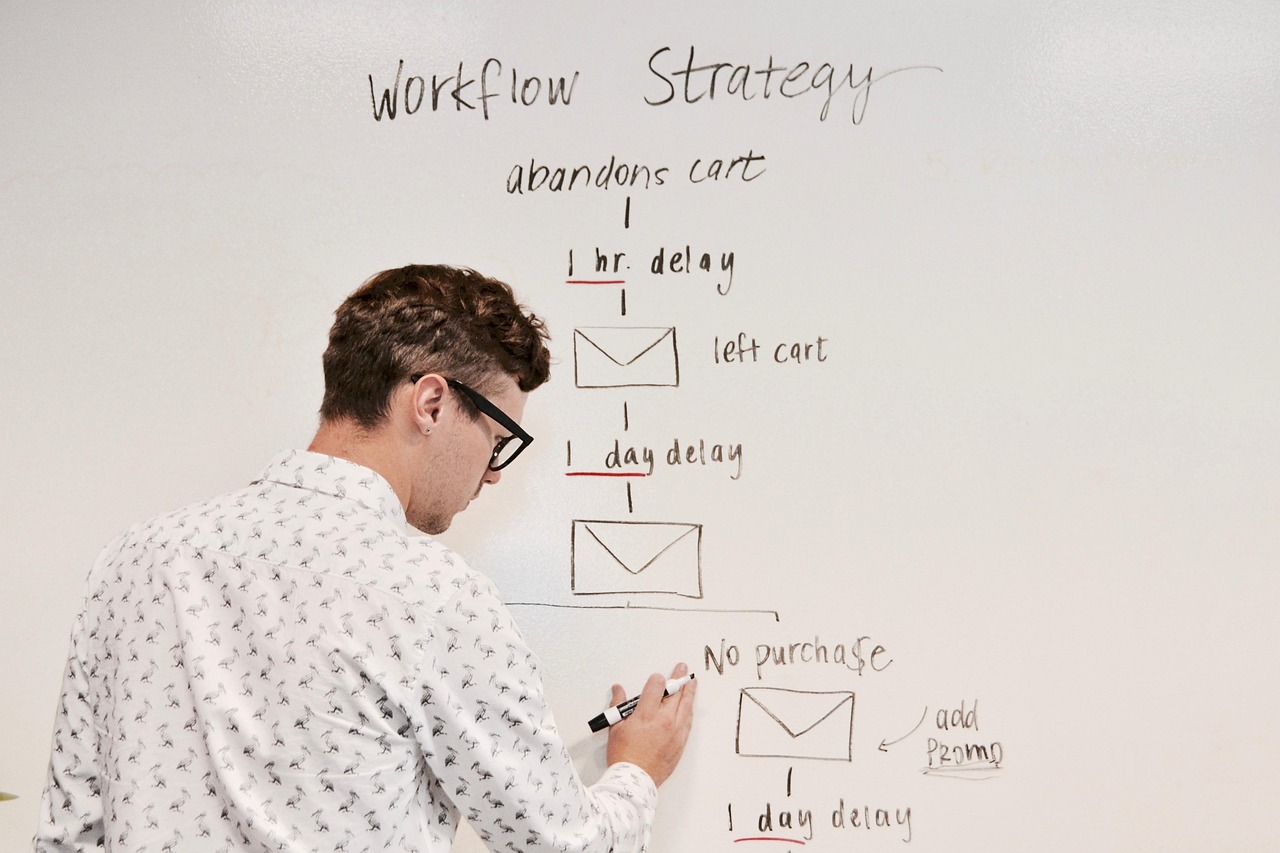
Strengths of use-case tutorials
- You get the first touch earlier. The owner meets your link while researching, so the 90-day window runs in your favour.
- They answer the questions owners actually ask, such as why companies send from secondary domains, whether list cleaning is legitimate and how to track opens accurately.
- Readers sign up knowing what they'll use the platform for, and that tends to mean they stay longer.
- They rank on many long-tail queries at once, not one contested coupon term.
Do tutorial sign-ups really stay subscribed longer? We won't hand you an invented percentage. The mechanism is plain, though. An owner who followed your florist walkthrough arrives with a client in mind and a first campaign half planned. An owner who arrived for a code arrives with a price in mind. The first has a reason to keep paying next month. On a monthly share, that difference compounds every month the agency stays.
Weaknesses of use-case tutorials
Tutorials are slower to write and slower to rank. A proper walkthrough takes days, not an afternoon, and it often needs weeks before search traffic builds. Each visit produces fewer clicks, because the reader is learning, not buying. Screenshots go stale whenever the product changes, so you're signing up for upkeep. And some readers will learn every step, nod, and never click.
Who tutorials suit and the verdict
Tutorials suit freelance marketers, consultants and creators who can show real work. If you've set up campaigns for clients, you already have the material. Do you need a website for this? A blog makes tutorials easiest to rank, but a detailed LinkedIn article or a recorded video walkthrough does the same job of reaching the owner early.
Verdict: on recurring B2B offers, the tutorial is the stronger lifetime earner.
The hybrid page puts the offer inside the tutorial
The hybrid is a full use-case tutorial with a clear "start here" block near the top and again at the finish. The top block gives the decided reader what they came for in two lines and a button. The rest of the page serves the reader who's still choosing. Judge it on its own terms, because it isn't simply both pages glued together.
Strengths of the hybrid page
- It catches both readers, the one who wants the link now and the one who needs the walkthrough first.
- You maintain one URL, so there's one set of screenshots to refresh and one page building authority.
Weaknesses of the hybrid page
- A pushy offer block undercuts the trust the tutorial earns. Three buttons before the first step reads like an advert.
- It's harder to rank for coupon-style terms, because the page is mostly teaching, not a deal listing.
Who the hybrid suits and the verdict
Should you build one hybrid page or two separate pages? If you have time for one strong page and its upkeep, build the hybrid. Two pages make sense only once you already have brand-search traffic worth catching separately.
Verdict: the best single page for affiliates promoting a recurring offer, provided the offer block stays quiet and useful.
Side by side: how the three options compare on the criteria that matter
The table puts all three options against the eight criteria from the yardstick section. The ratings are our own judgement of how each page type behaves on a recurring B2B offer. They aren't industry statistics, so treat them as a way to see the trade-offs, not as forecasts.
| Criterion | Coupon page | Use-case tutorial | Hybrid |
|---|---|---|---|
| Reader intent | Very high, already decided | Medium, still choosing | Both, on one URL |
| Conversion speed | Fast, often the same visit | Slow, often a later visit | Fast for decided readers, slow for the rest |
| Share of first touches you win | Low, the search comes late | High, the reader meets you early | High |
| Likely retention of referred agencies | Lower, chosen on price | Higher, chosen for a job | Higher for tutorial readers |
| Ranking competition | Heavy, deal sites and aggregators | Lighter, spread across long-tail terms | Lighter, but weak on coupon terms |
| Effort to build | An afternoon | Several days | Several days plus a careful offer block |
| Upkeep | Low, check the offer and pricing link | High, screenshots go stale | High, one set of screenshots |
| Fit for recurring commission | Weak as a main earner | Strong | Strongest single page |
Look down the columns and a pattern shows up. The coupon page wins every row about speed and effort, and loses every row about who gets the credit and who stays. On a programme that pays monthly, the rows it loses decide the money, so the tutorial and the hybrid come out ahead even though they cost more to build.
Affiliate coupon page vs tutorial content: what to track before you pick
Clicks will mislead you here. A coupon page almost always wins on clicks and often on sign-ups in the first month, because its readers came to act. If you stop measuring there, you'll build more coupon pages and wonder why your monthly commission stays flat.
Track the number that the commission is actually paid on. That's referred agencies still paying after three months, and again after six. Next to it, track the monthly commission those agencies still produce. Both tell you what each page is worth over time. Our piece on metrics that matter more than clicks sets out the full set, but these two are the ones that settle this comparison.
A worked example of the logic
Say you run a coupon page and a tutorial side by side for six months, each with its own tracked link. The coupon page brings in 10 agency sign-ups. The tutorial brings in 6. On sign-ups, the coupon page looks like the clear winner.
Now check again at month six. Of the coupon page's 10 agencies, 3 are still paying. Several came in on price and left when they found something cheaper or never set up a client. Of the tutorial's 6, 5 are still paying, because they arrived with a florist or a dental practice already in mind. Add up the paying months over that half year and the tutorial has produced more of them, and it goes into month seven with more agencies still on the books.
These figures show how the comparison works. They don't predict what your pages will do. Your own numbers will differ, which is the reason to track them rather than guess. Since each referral pays 20% of the partner subscription for every month it lasts, the page with more agencies still paying is the page earning more, whichever one won the first month.
How long a tutorial takes to pay off
Expect the coupon page to show sign-ups within weeks if it ranks at all, or straight away if you send it to an existing list. A tutorial usually needs a couple of months before search traffic builds, and its sign-ups often come on a later visit. So judge a tutorial at month three at the earliest, and judge it on retained agencies, not traffic. To plan around that gap, our guide on how to forecast recurring affiliate income when agency referrals churn shows how to model it.
This is also where the 80/20 rule comes in. The rule says a small share of your pages tends to produce a large share of your income. On a recurring offer, find your 20% by retained agencies, not clicks. The page that tops your click report is often not the one paying you in month nine.
Timing matters: publish tutorials before demand peaks, not during it
Search interest in email marketing follows a clear yearly curve. It falls to its lowest point in June and climbs to its highest in November, December and January, when agencies plan Black Friday sends and set new-year revenue goals. That curve should set your publishing dates.
It's the week of 7 May 2026 as we write this. A tutorial published this month has around six months to get indexed, pick up links and climb before the late-year peak arrives. If you wait until October, the tutorial is still finding its feet when the searches it was written for are at their highest, and you miss the window where early first touches count most.
June being quiet works in your favour. Fewer agency owners are searching, so you have time to write, take fresh screenshots of SendTo and publish without chasing a deadline. Use the summer to build the walkthroughs that reach owners early, such as the florist campaign, the secondary sending domains explainer and the human-only open tracking guide.
Coupon pages run on a different clock. They're quick to build and they target readers who are ready to act, so you can put one up in October, close to the peak, and it'll still catch the decided reader. Just remember the attribution point. If your tutorials have been live since May, many of those late coupon searches will come from owners who first clicked your own link.
Tutorials compound once they're live. Each walkthrough you publish this summer links to the next, and a set of them grouped into a resource library catches owners at several stages of the same decision.
Overall verdict: build the tutorial first, then add the coupon page as a catch
For a recurring B2B SaaS offer like ours, here's the ranking.
- Hybrid tutorial: the best single page. It reaches owners early, holds more first touches, brings in agencies that stay, and still gives the decided reader a quiet route to the link.
- Pure tutorial: close behind. It does the long-term work just as well, and it loses only the decided reader who wanted the link in two lines.
- Coupon page: a useful catch page at the bottom of the funnel, but the weakest main earner when commission depends on how long agencies stay.
The coupon page does have one clear win. If you already pull a large brand-search audience, people typing the product name plus "deal" into a search bar, and a real offer exists to give them, a coupon page converts that traffic faster than anything else. In that case, build it. Just be clear about what you're putting on it. SendTo has no affiliate discount to pass on, so an honest SendTo page tells the reader what they get and sends them to the pricing page for current costs.
So the order of work is simple. Write the tutorial this month, with a short offer block at the top and the bottom. Track retained agencies and the monthly commission still paying, not clicks. Then, as the late-year peak gets closer, add a coupon-style page to catch the owners who've already decided.
On our programme, each agency you refer earns you 20% of the partner subscription it pays SendTo, every month it keeps paying, with 90-day first-touch attribution and commission paid monthly by PayPal. You never earn a share of what that agency's own clients pay it. A tutorial that brings in agencies that stay makes the most of those terms.
Get your tracked link and start the tutorial this week. You'll earn 20% of the partner subscription of every agency you refer, paid monthly by PayPal.
Join the SendTo affiliate programme