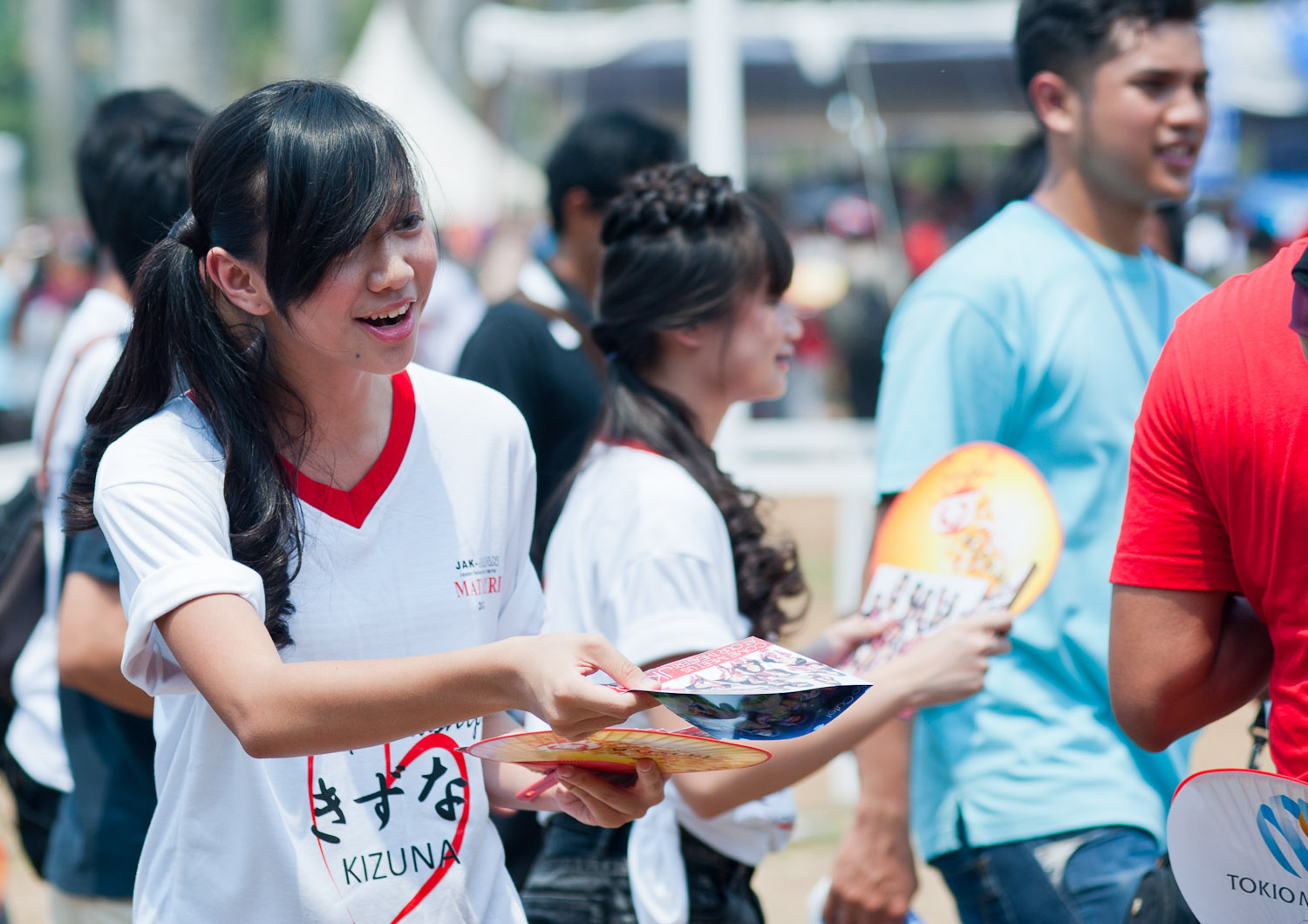
A logo on the fete banner or the under-11s' shirts gets seen by hundreds of people, and hardly any of them can act on it. Nobody books a roofer from a banner, and a shirt can't answer a question. Local sponsorship marketing for a small business starts paying when you give people something to do while they're standing in front of you.
That takes three things, done on purpose. First, give people a reason to walk over to your stand. Second, capture them with a QR signup to a giveaway they actually want. Third, email them within 48 hours, while they still remember your face and the cake stall next to you.
It's mid-May 2026, and the fete and tournament season runs from June to August, so you've got time to set this up properly. This guide takes you, or the agency running it for you, through the whole system in seven steps. Each step covers what to do, what you should see and the mistake to avoid.
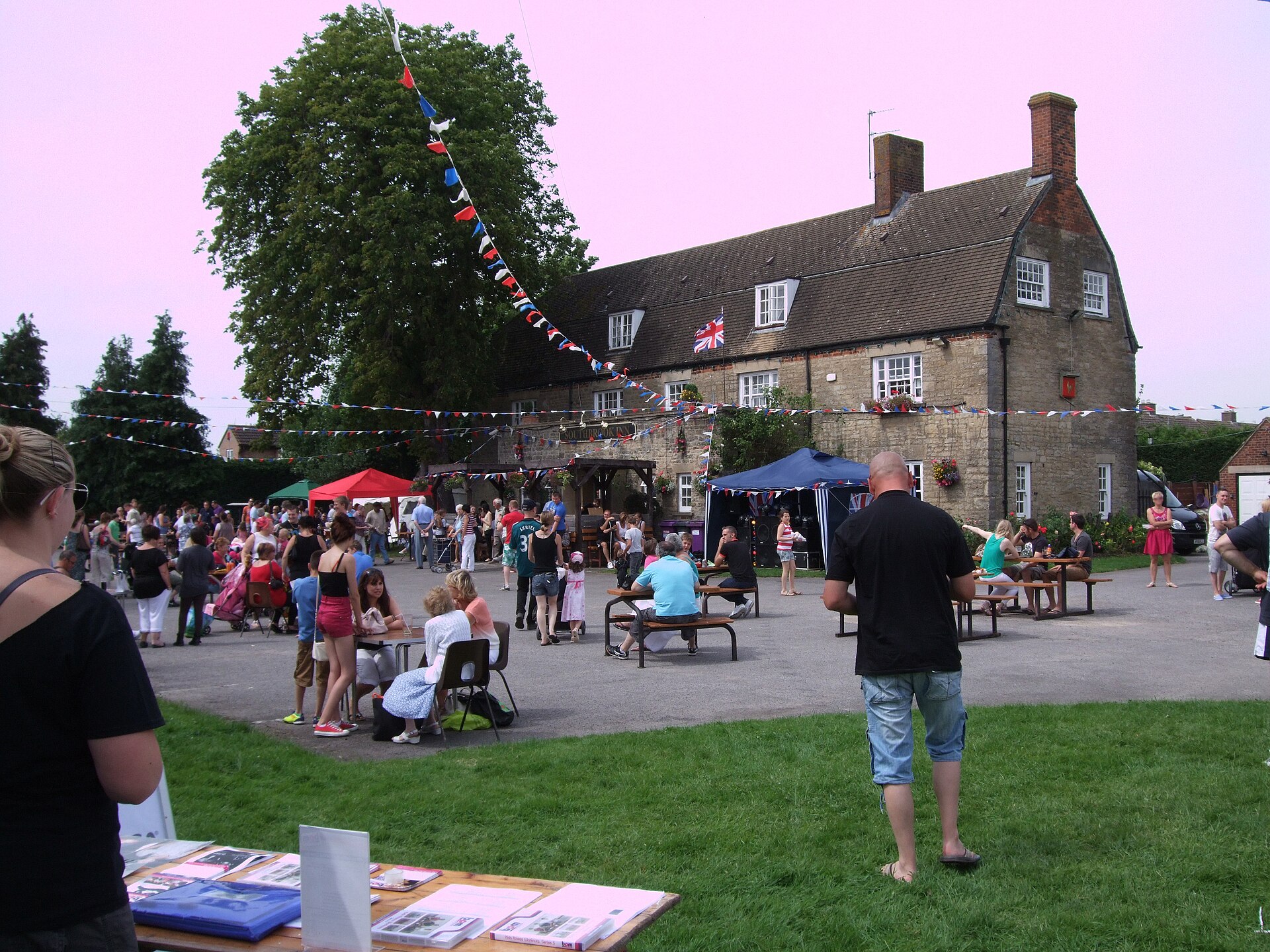
By the end you will have a sponsorship that collects names, not just goodwill
Here's what you'll have when you finish. One event or team, picked for who turns up. A sponsor package negotiated around access to people rather than logo size. A giveaway only your future customers care about. A QR code that points to a signup page you've tested in a field. A follow-up email written and scheduled before the day. And a simple way to count what came back, so next summer's decision rests on numbers.
Goodwill still counts. Parents remember who paid for the kit, and fete committees talk. This system keeps that goodwill and adds a list of people you're allowed to email.
Before you start, gather these:
- A budget ceiling that covers the sponsorship fee, the prize, printing and your time on the day
- An email platform with signup forms and hosted landing pages. We use SendTo as the example throughout
- A sending domain that's already connected, so your follow-up doesn't go out from a cold domain
- Two people free for the event afternoon
- A shortlist of three to five local events or clubs, which you'll build in Step 1
Step 1: Choose the event by who turns up, not how big it is
Local sponsorship marketing for a small business is a targeting decision first. For a children's swim school, 3,000 people at the town carnival are worth less than 200 parents at a primary school summer fair. Every one of those 200 could become a customer.
Action: write down three to five options. That could be village fetes, school summer fairs, the cricket club's family day, a junior football tournament or the dog show at the local agricultural society. Score each one from 1 to 5 on a single question. Do the people who come match your customer?
A roofer wants homeowners, so a village fete surrounded by 1930s semis beats a student festival. A tutor wants parents of 9 to 16 year olds, which points to secondary school fairs and junior tournaments. A dog groomer wants dog owners, and a fun dog show is close to perfect. Then give each event a second score for whether the crowd lives inside your service area. People who drove forty minutes to get there won't book a local plumber.
What you should see: one clear winner that scores high on both. If two events tie, pick the one with the more responsive organiser, because Step 2 depends on them.
The mistake: choosing on attendance figures alone. Big events charge bigger fees, have more stalls competing for attention, and draw a crowd that's mostly there for the funfair. A smaller event full of the right people gets you more signups for every pound you spend.
Step 2: Negotiate access to people, because the banner is the least valuable part of the package
Action: ask the organiser or club secretary for their sponsor pack. Plenty of fetes and clubs have one, even if it's a single page. Then trade logo size for things that reach people:
- A stand or gazebo pitch, ideally near the refreshments or the main arena exit
- A mention with your signup link in the club's email or WhatsApp newsletter in the week before
- A PA announcement of your giveaway draw, twice during the afternoon
- A post on the club's social pages naming the winner afterwards
What you should see: a written list of exactly what's included. An email is enough. A promised shout-out tends to vanish when the secretary is also running the barbecue.
The mistake: taking the gold tier because it sounds generous. Gold usually buys a bigger logo on a bigger banner. You'd do better paying for bronze and asking for the stand and the newsletter mention on top.
Sponsoring costs money or services, plus your own day
Yes, being a sponsor costs something, though it isn't always cash. Prices vary a lot between towns and clubs. As a rough guide, a stall pitch at a village fete or school fair often costs somewhere between £20 and £150. Programme adverts and banner spots tend to run from about £50 to £300. A junior team's shirt sponsorship ranges from a few hundred pounds to over £1,000 a season. Many clubs take in-kind support instead, like a free service as the raffle prize or a set of new training bibs. Either way, add your own costs on top: the prize, printed signs, a gazebo if one isn't supplied, and two people's Saturday afternoon.
The names you'll see on junior shirts and fete programmes are usually local trades and services. Think estate agents, builders and roofers, garages, pubs and takeaways, physios, solicitors, accountants and driving schools. They all sell to people who live nearby, and their customers tend to stay for years.
Organisers win bigger sponsors by offering access, not a bigger banner
If you're on the committee and want a larger regional firm on board, send a one-page proposal. Say how many people come and who they are (families, homeowners, retirees), list the access you'll give, and name one contact. Larger companies often handle this through a local branch manager or a community fund, so ask in the branch rather than emailing head office. A stand, a newsletter mention and a PA slot give them something a banner never will.
Step 3: Give people a reason to walk over, and make the prize something only your future customers want
Action: pick a giveaway tied to what you sell. A free boiler service from a heating engineer. A family portrait session from a photographer. A month of lessons from a swim school. A hamper from your own deli. It should be something you'd normally charge for, at a cost you can carry.
Then add a small game on the day so the stand has some movement. Guess the sweets in the jar, a putting challenge for a landscaper, a colouring table for a tutor. People are more likely to walk over when there's already a small crowd.
What you should see: a prize a non-customer would shrug at. If someone who'll never need a roofer still wants it, you've picked the wrong prize.
Who stands at the stand, and what they say in ten seconds
On a busy afternoon you need two people at least. One talks and the other helps with phones. The pitch has three parts. Open with one line ("Fancy winning a free boiler service?"). Explain the giveaway in one sentence ("We draw it at four, and all you need is your name and email"). Then point at the QR code. Leave the selling for the follow-up email. At the stand, your only job is to get people signed up.
Step 4: Build the signup page and QR code, then test it in a field
Action: in SendTo, create a hosted landing page with a bot-protected signup form. If you'd rather send people to your own site, embed the same form there instead. Ask for three things only: first name, email and one qualifying question, such as postcode, child's age group or type of home. That one answer lets you send a more relevant follow-up later.
Next, write consent wording that keeps entering the draw separate from joining your mailing list. Use two tick boxes, both unticked by default. The first could read "Enter me into the draw for a free boiler service. We'll only use your details to contact you if you win." The second could read "Also send me occasional offers and seasonal tips from Smith Heating. Unsubscribe any time." If someone ticks only the first box, they go into the draw and nowhere else. Use exactly the same wording on any paper sheet you bring as a backup.
SendTo lets you switch on double opt-in for each form. For an event it's often a good idea, especially if you'll be typing in paper entries later, because the confirmation click proves the address is real and that the person asked to join. The trade-off is that some people never click, so your list ends up smaller. Our guide to double opt-in under GDPR explains when single opt-in is enough. If the form sits on a site that's still being built, set up HTTPS on the signup form before you print a single QR code.
Print the QR code at least 10cm across, on a sign at eye level. Then test it outdoors. Go to a park, turn off wifi and scan it on mobile data with two different phones. Time it. Getting from scan to submitted entry should take less than a minute.
What you should see: the page loads within a few seconds on 4G, the form submits, and the test entry shows up in your list with both consent choices recorded.
Step 5: Write the 48-hour follow-up before the event, not after it
The Sunday after a fete is when good intentions go to die. You're tired, the gazebo is still damp in the garage and the paper sheets are in a carrier bag. Write the emails now, in May, while you've got a clear head, and the follow-up goes out on time.
Action: draft a three-email sequence and schedule it in SendTo. Keep each email short and about one thing.
- Email 1, within 24 to 48 hours: thank people for stopping by, name the winner or the draw time, and give everyone who entered one runner-up offer, such as 15% off a boiler service booked before the end of July.
- Email 2, about five days later: one useful local tip (how to bleed radiators before autumn, which local pitches have summer holiday sessions) plus a booking link.
- Email 3, about two weeks later: a plain reminder that the runner-up offer expires on a stated date, with the same booking link.
You don't need a designer for this. Give SendTo's AI designer a short brief (who you are, the event, the offer, the deadline) and it builds the HTML email from your brand preset in seconds. If the first version feels off, remix it with one click. Before anything is scheduled, the built-in AI reviewer checks the subject line, structure, wording, links and basic compliance, which catches the broken booking link you'd otherwise find on Monday morning.
Keep the emails mostly text, with one photo at most. A single poster-style image looks tidy but often lands in promotions or gets clipped, and our piece on image-only marketing emails explains why they underperform. Mention the event by name in the first line and the subject line. "Thanks for visiting us at Ashford Village Fete" gets opened. "Summer news from Smith Heating" doesn't.
What you should see: three emails saved, scheduled or ready to send, each passed by the reviewer, with the offer and its expiry date written the same way in all three.
The mistake: waiting to see how the day goes before writing anything. By the time you've written it, it's Thursday, and the people who entered have forgotten which stand was yours.
Step 6: On the day, capture everyone, including the people with no signal
Fields don't always have phone signal. A cricket ground at the bottom of a valley can drop to one bar the minute the PA starts the dog show and 400 people reach for their phones at once.
Action: bring a tablet with the signup page already open, running off a phone hotspot or a small mobile router. When someone's phone won't load the page, hand them the tablet. Bring a clipboard with a paper sign-up sheet as the last fallback, carrying exactly the same two tick boxes and wording as the online form. Number the sheets so none go missing.
While you're there, take a few photos of the stand, the draw and the crowd (avoid close-ups of children unless parents have agreed). One good picture of your gazebo with the church behind it makes Email 1 feel personal. Jot down when the stand was busiest, too. If entries spiked straight after the PA announcement, you'll know what to ask for next year.

What you should see: a steady count of entries through the afternoon, with bumps after each announcement. Check the count on your phone every hour. If it stalls for an hour on a busy afternoon, move the sign or start inviting people over.
Step 7: Within 48 hours, import, draw and send
Saturday evening counts. The follow-up works because people still remember your face, and that memory lasts days, not weeks.
Action: type the paper entries into a spreadsheet that evening, with one column for each consent box, and import it into SendTo. The importer maps your spreadsheet columns to the right fields, picks up where it left off if the upload gets interrupted, and applies platform-wide suppression automatically, so anyone who previously unsubscribed stays off. Every address is verified before sending, so the "gmial.com" someone scrawled at 3pm won't bounce and damage your sending reputation.
Then run the draw. If the club agreed in Step 2, do it publicly by filming a quick draw from a hat and asking them to post it. Contact the winner directly first. Then send Email 1, or let the scheduled send go out.
Finally, thank the organiser by email, include the winner's first name, and ask for the winner post you agreed. A sentence like "Congratulations to Priya, who won a free boiler service from Smith Heating" on the club page is worth more than the banner was.
What you should see: Email 1 sent by Monday, the club's post live, and your list showing two groups, draw-only entrants and people who opted in to emails.
The mistake: sending the marketing sequence to everyone. People who ticked only the draw box get one message, telling them who won, and nothing else. Send the sequence to a segment of people who ticked the second box. That keeps you legal and keeps complaint rates near zero.
How to tell whether the sponsorship paid for itself
Five numbers answer the question. Gather them 30 days after the event, put them in one row of a spreadsheet, and you've got something to compare next summer against.
| Measure | How to work it out | Example: heating engineer at a village fete |
|---|---|---|
| Signups | Online entries plus imported paper entries | 112 entries, 78 opted in to emails |
| Cost per signup | Total spend (fee, prize, printing, gazebo) divided by signups | £280 spend ÷ 112 = £2.50 |
| Real human opens and clicks | From the campaign report, scanner opens excluded | 61% opened, 19% clicked Email 1 |
| Bookings or enquiries within 30 days | Count bookings using the offer code or link | 9 bookings |
| Revenue from those bookings | Add up what those bookings paid | £1,450 |
That example belongs to Dan, a heating engineer who sponsored the stand rather than the banner at his village fete last summer. "The year before I paid for the shirts and got a thank-you card," he told us. "This time I got nine services booked and a list I still send to." His figures came from one afternoon and a prize that cost him a morning's work.
Be careful with open rates. Corporate and some personal inboxes run security scanners that "open" every email to check the links, which inflates the figure. SendTo's reports exclude those scanner opens, so you see real people. If you're using another tool, our guide on measuring real human open rates shows how to get closer to the truth.
Then compare. If you'd normally pay £15 a lead from search ads, a £2.50 signup is cheap even if only one in ten books. If last year's banner cost £300 and you can't trace a single booking to it, you've got your answer on logos, too.
If it did not work, the fault is usually in one of four places
A sponsorship that brings in nothing isn't proof that local sponsorship marketing for a small business doesn't work. The fault usually sits in one step, and the numbers show you which one.
Few signups means the audience, the prize or the stand was wrong
Go back to Step 1 and ask whether the crowd really matched your customers and lived nearby. Then check Step 3. A prize nobody wanted, a QR code smaller than a beer mat or a pitch behind the bouncy castle will all keep the count low. Your hourly notes from the day tell you which.
Lots of signups but no opens means the email arrived late or unrecognised
Check the send date first. A follow-up a week later reads as a stranger's email. Then check the sender name, which should be the business people met ("Dan at Smith Heating", not a no-reply address), and look at how many addresses verification flagged. A high count means the paper sheets were hard to read, so push the QR code harder next time.
Opens but no bookings means the offer was vague or the prize drew hunters
"Get in touch for a quote" isn't an offer. A named discount with a date and a booking link one click away is. If you gave away a generic prize, expect a list that opens out of curiosity and never books.
Missing mentions means the agreement wasn't written down
If the newsletter mention or the PA announcements never happened, it's rarely bad faith. Volunteers get stretched thin. Next year, send the organiser a one-paragraph email listing what's included and when, and ask them to reply to confirm it.
If you run SendTo as your agency's own branded platform, every client sponsorship runs from one place, with the landing pages, forms, imports, sending and reports under your name and your prices. For what that costs you as a partner, see the pricing page.
Your next step this week is to write your shortlist of three to five events and email the first organiser for their sponsor pack. The season starts in a fortnight.
Know agencies that sell marketing to local businesses? Refer them to SendTo and earn 20% of the partner subscription each agency pays us, every month they pay it. You never take a share of what their clients pay them. Attribution lasts 90 days from the first click, the first touch wins, and commission is paid monthly by PayPal.
Join the SendTo affiliate programme