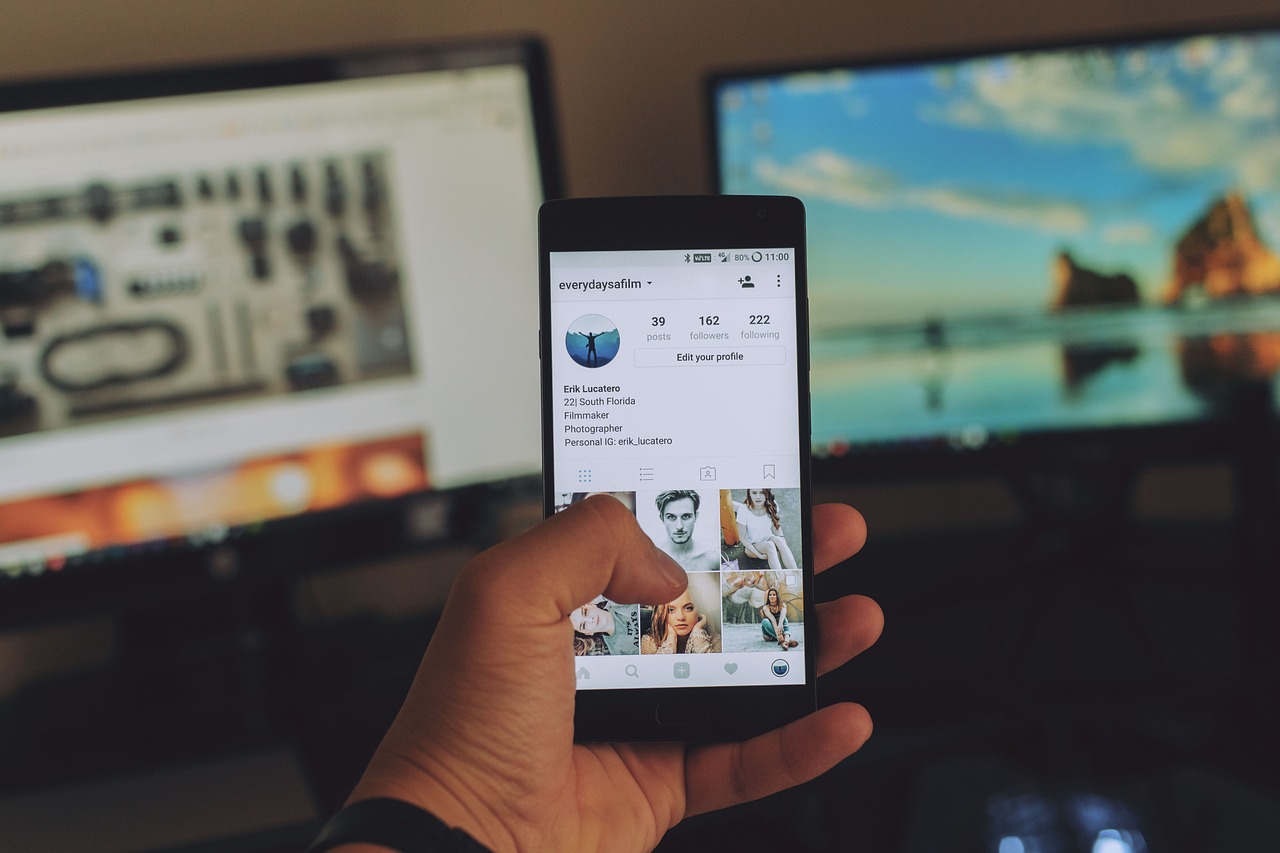
A boiler engineer in a market town doesn't need ten thousand views. He needs a dozen homeowners asking him to service their boiler before the first cold snap. That's the right way to judge the instagram vs facebook for local business question. If the people who book you are homeowners over 35, you'll usually get more real enquiries from Facebook groups, recommendation threads and reviews than from Instagram reach. Instagram is worth the hours when the finished work photographs well. Think salons, food, interiors, florists and landscaping.
It's Friday 4 September 2026, and the next four months decide your winter. Neither platform owns your customers. An algorithm change can halve your reach overnight, and a locked account takes your followers with it. So this autumn the plan is simple. Pick one main platform based on who actually books you, and make every post send people to an email list you own before the November and December peak.
Below you'll find a quick pick, a ten-minute test to run on your last 20 enquiries, a fair look at Facebook, Instagram and cross-posting to both, a side-by-side table and a week-by-week autumn plan.

Quick pick: Facebook first for most local service firms, Instagram first for trades whose work sells on sight
If you only read one section, read this one. Choose by who books you and how they found you.
- Pick Facebook: your bookers are older homeowners and enquiries come from word of mouth, neighbours and local groups.
- Pick Instagram: the finished job looks striking in a photo and your buyers are mostly under 40.
- Split your time: only if you can staff both properly every week. If you can't, one platform done well beats two done badly.
The instagram vs facebook for local business question only has an answer once you know who books you
Platform size tells you nothing useful. A platform with a billion users is no help if the forty people who'll book you this winter aren't scrolling it. What decides it is the person who books you, how old they are and where they went looking.
So run this test before you plan a single post. Open your inbox, your phone log and your booking diary, and pull your last 20 enquiries. For each one, write down three things. Roughly how old they were, how they found you, and what they said in the first message. Twenty is enough to show a pattern and small enough to finish over a cup of tea.
Here's how that plays out for two very different trades. A boiler engineer runs the test and finds bookers aged 45 to 70. Eleven of the 20 say a neighbour tagged him in the village Facebook group, and their first message reads something like "Sue said you did hers last winter." A nail technician runs the same test and gets bookers aged 20 to 35. Most found her through Instagram posts a friend saved or shared, and they open with a screenshot of a set they want copied. Same town, same test, opposite answers.
The test also shows you something the platforms' own dashboards hide. Reach and enquiries are different numbers. A Reel seen by 8,000 people across the country can bring zero bookings. A three-line reply in a group of 2,000 local residents can bring four. Count the enquiries, not the views.
Facebook wins where customers ask neighbours who to hire
Facebook isn't fashionable, and that doesn't matter. For a firm whose bookers own homes and have lived in the area a while, it's still the place where hiring decisions happen in public.
Facebook is still where homeowners in a town ask for a trusted plumber, roofer or cleaner
For a local service firm in 2026, Facebook is several tools in one. You have a business Page with your hours, services and reviews. You have local community groups, the village noticeboards and town buy-and-sell pages where residents swap news. You have recommendation posts, where someone asks who to call and neighbours reply. Then there are events, for open days and demonstrations, and Messenger, which works as an enquiry inbox. The groups do the heavy lifting. The Page is your shop front.
Facebook's strength is that recommendation threads put you in front of people who are already buying
Someone who posts "can anyone recommend a roofer, slates came off in the wind" isn't browsing. They need a roofer this week. When three past customers tag you in the replies, you've been recommended by people the asker knows, which beats any advert you could write.
The rest of Facebook backs that moment up. Reviews on your Page give the asker proof when they click through. Events let a garden centre or driving school announce an open day to people who live nearby. Messenger gathers enquiries in one place, and longer posts suit trades that need explaining, like what a chimney sweep checks or why a boiler service takes an hour. Production effort is low. A phone photo of the finished job and three honest sentences about what you did work fine.
Facebook's weakness is that your own Page reaches few people and group rules limit selling
Your Page on its own won't carry you. Organic reach for business Pages is small, so a post to 600 followers often reaches a fraction of them. The enquiries live in groups, and groups have rules. Many ban self-promotion completely or allow it on one set day a week. Admins remove posts that break the rules, and repeat offenders get removed from the group. Answering helpfully, without a sales pitch, is the safe route, and the same habits apply here as in our guide on answering questions in online forums without getting banned.
Two more limits are worth knowing. Younger buyers are thin on the ground, so a lash studio or a gym aimed at students will struggle there. And a bad review thread in a town group is public and lasting. Reply once, calmly, with what you'll do to fix it, then take the conversation to Messenger.
Facebook suits trades, care, repairs and home services with older bookers
Facebook fits electricians, plumbers, roofers, gardeners, cleaners, domiciliary care providers, accountants and driving instructors. It also suits pet sitters serving families, where the parent who books wants a name a neighbour vouches for. If you're also putting money into local visibility offline, our guide to sponsoring a local fete or sports team so it brings in leads works well with group activity, because those groups are where people talk about the event afterwards.
Verdict: Facebook is the default main platform for local service firms whose bookers are homeowners over 35. Judge it by enquiries, not likes. A Page with 40 likes and an owner who answers group questions every week will beat a polished Page nobody in the village sees.
Instagram earns its hours only when the finished work photographs well
Instagram is the better choice for some firms, and those firms do well on it. The catch is that the work has to look good, and you have to keep showing it.
Instagram is a portfolio that people browse, save and share before they book
For a local firm in 2026, Instagram runs on a professional account. Your grid is your portfolio, the page a bride checks before she books a florist. Reels are short videos that can travel beyond your followers. Stories are the day-to-day updates that vanish after 24 hours, and highlights pin the useful ones to your profile. Location tags tie posts to your town, and DMs are where the enquiries arrive.
Instagram's strength is that a striking before-and-after does the selling for you
A garden turned from bare mud into a planted terrace sells itself in two photos. No caption needed. That visual proof of quality is Instagram's real win. People save posts they want to copy and send them to friends, which is word of mouth for a younger crowd. A good Reel can reach people who don't follow you yet. Highlights work as a menu, with prices, FAQs, aftercare and reviews one tap away. Instagram is strong with buyers under 40, and a booking link in your profile turns a saved post into a diary slot without a phone call.

Instagram's weakness is that reach rarely turns into local enquiries without steady video work
Reach on Instagram is often non-local. A Reel that does well gets shown to people three hundred miles away who'll never book a hairdresser in your high street. Reels also take time. Filming, trimming and captioning a 30-second clip can eat an hour, and results build only after months of steady posting. Stop for six weeks and you'll feel it.
Then there's the work itself. A plumber's neatly fitted pipework under a sink doesn't look good on a grid, and no filter fixes that. DMs fill up with spam, fake collaboration offers and people asking for prices they'll never pay. And followers aren't bookings. An account with 3,000 followers, mostly other businesses and accounts from other countries, can bring fewer enquiries than a Facebook Page with 200 local likes.
Instagram suits salons, food, interiors, florists, tattoo studios and landscapers
Instagram is right for hair and beauty salons, nail and lash technicians, cafés, bakers and caterers, interior designers, florists, tattoo studios and landscapers. These are trades where the finished result is the advert and the bookers are often under 40.
Verdict: make Instagram your main platform if your work sells on sight and your bookers are younger. For everyone else, a light presence is enough. People who hear your name will check you there, and they need to find proof you exist, not a daily stream of Reels.
Running both through cross-posting saves time but does neither platform well
Cross-posting means writing one post and publishing it to your Facebook Page and Instagram account at the same time, using the built-in sharing option or a scheduling tool. It's the third real option, and it deserves a fair hearing.
Its strength is efficiency. You keep one workflow, show up on both platforms, and spend barely more time than posting to one. For an owner who has an hour a week, that's a real benefit. A customer who checks either platform sees recent work and knows you're still trading.
Its weakness is format. A post written for Facebook gets cut short on Instagram, where the caption is clipped after a couple of lines and links in captions don't click. A square image with a block of hashtags looks out of place on Facebook. Worse, cross-posting reaches your Page, not groups. Groups are where Facebook enquiries come from, so a cross-posting habit skips the part of Facebook that actually earns you work.
Cross-posting suits owner-operators with an hour a week and no plans to grow their social media, like a sole-trader cleaner or a part-time pet sitter. Verdict: it's a floor, not a strategy. Use it to stay visible, then spend any spare time on the one platform your last 20 enquiries came from.
The side-by-side shows that Facebook wins on enquiries and Instagram wins on proof
Here are all three options in one place. The time figures are what a steady week takes for an owner doing it themselves, not what an agency would bill.
| Criteria | Cross-posting both | ||
|---|---|---|---|
| Typical booker age | Homeowners over 35 | Mostly under 40 | Whoever already follows you |
| Best content type | A phone photo, three honest sentences, helpful group answers | Before-and-after photos, short Reels, Stories | One image and a short caption |
| Weekly time needed | About two hours | Three to four hours, more if you film Reels | About one hour |
| Route to an enquiry | Group recommendation, Page review, Messenger | Saved post, booking link in profile, DM | A Page or profile visit, then a message |
| Local targeting | Strong, through town and village groups | Weak, mainly location tags | Weak, never reaches groups |
| Reliance on video | Low | High, if you want reach beyond followers | Low |
| Risk of wasted reach | Low in groups, high on the Page alone | High, much of it outside your area | High on both |
| Best-fit trades | Plumbers, electricians, roofers, cleaners, care, driving instructors | Salons, florists, food, interiors, tattoo studios, landscapers | Sole traders with one spare hour a week |
Read across the rows and Facebook comes out ahead wherever the job is winning a local booking, while Instagram comes out ahead wherever the job is showing what your work looks like. Cross-posting is the cheapest column, and it gives up local targeting to get there.
This autumn the effort should build a list before the November and December rush
September and October are for collecting contacts. Selling comes later. Public interest in email marketing peaks in November, December and January, which is also when your customers book Christmas appointments, winter boiler services, festive orders and January jobs. If your posts this month and next gather names and email addresses, you'll have people to write to when it counts. Wait until November to start and you're relying on whatever the algorithm decides to show that week.
Give every trade one reason to sign up that fits the season. A boiler engineer offers a priority list for winter service slots before the diary fills. A florist opens a Christmas wreath pre-order list. A landscaper offers a January planting plan and first pick of spring dates. A salon offers early access to December appointments. Each is something the customer already wants, and each needs an email address to deliver.
A Facebook week takes about two hours
- Two Page posts, each a recent job with a phone photo and a line telling people how to join your winter list.
- One helpful answer in a local group, following that group's rules, with no sales pitch unless it's the promotion day.
- A reply to every review, good or bad, within a day or two.
- Messenger checked daily, with each enquiry asked whether they'd like seasonal reminders by email.
An Instagram week takes three to four hours
- Two portfolio posts, ideally before-and-after pairs, with the signup link mentioned in the caption.
- One short Reel of a job in progress, filmed in one go on your phone.
- Stories three or four times, with a link sticker pointing to your signup page.
- DMs answered within a day, with spam deleted on sight.
The four questions owners ask about these platforms have plain answers
A professional Instagram account is better for a business because it gives you insights, contact buttons and ads
Yes, switch to a professional account. You get insights on who sees your posts, contact and booking buttons on your profile, and the option to run ads. The trade-off is a bit less privacy, because a professional account has to be public and shows a category label. Choose the business type if you run a firm. The creator type suits a personal brand, like a stylist building a following under their own name.
The 5-3-1 rule is a rough mix of helpful, engaging and selling posts, not a law
The common version goes like this. For every nine posts, five give value, such as tips or how-to clips, three spark engagement, such as questions or polls, and one sells. People define the numbers differently, so don't stress about the exact split. For a local firm, what matters is that selling posts stay a minority. A roofer who shares gutter-clearing tips earns the right to post his winter booking offer once in a while.
Gen Z skips Facebook because it reads as their parents' platform, which is exactly why it still works for home services
Younger people lean towards short video and private messaging, and plenty of them see Facebook as the place for family updates and local news. That's the reason it works for home services. The people asking a village group about roofers are often the parents of the people who left. If your bookers are those parents, you're in the right room.
Five dollars a day is enough to test a local Instagram ad, not to replace organic work
Around five dollars or five pounds a day is enough to boost one proven post to a tight radius around your town for a week or two. That's long enough to learn whether it brings enquiries. Two or three days is too short to judge. Only spend behind posts that already did well organically, because paying to push a post nobody saved rarely changes the result.
Neither platform owns your customers, so every post should point to an email signup
Your followers live on someone else's platform. An algorithm change can cut your reach overnight, and a hacked or locked account can vanish with every follower attached. An email list stays with you. You decide when to send, and the message lands in an inbox the customer checks every day, not a feed that shows them whatever it likes.
Turning followers into customers you can contact directly takes three things. First, a signup form on your website, or a simple landing page linked from your bio and your Page. Protect it against bots, or by December your list will be full of fake addresses that hurt your sending. Second, an offer worth signing up for, like the priority winter slots or seasonal checklist above. Third, consent recorded properly, with the date, the form and what the person agreed to receive. Our guide to email marketing for small businesses covers lists, design and deliverability from that first signup onwards.
Then use the list. Send a short note once a month through autumn, a seasonal tip and a reminder of the offer, so people recognise your name when the November and December emails arrive. A list nobody hears from until Christmas forgets who you are.
The overall verdict: pick one main platform by who books you, and let email do the follow-up
For most local service firms, the instagram vs facebook for local business question has a short answer, and your enquiries already hold it.
- Facebook is the best main platform for most local service firms whose bookers are homeowners over 35.
- Instagram is the best main platform for visual trades whose bookers are mostly under 40.
- Cross-posting to both is a floor for owners with an hour a week, not a plan.
Do one thing this week. Pull your last 20 enquiries, note how each one found you, and add a signup link to every profile you have. By the time the November rush starts, you'll know which platform earns your hours and you'll have a list of people waiting to hear from you.
If you advise local firms like these, you're already recommending the tools they use. SendTo is the email marketing platform agencies sell under their own brand. Our affiliate programme pays you 20% of the partner subscription each agency you refer pays SendTo, every month the agency pays it. It never takes a share of what that agency's own clients pay them. Attribution lasts 90 days from the first click, the first touch wins, and commission is paid monthly by PayPal.
Refer the agencies you already talk to and earn 20% of their partner subscription every month they pay.
Join the SendTo affiliate programme