The football started yesterday in Germany, and for the next month it's the best trade a local pub, cafe or shop will see all summer. Euro 2024 kicked off on Friday 14 June and runs to the final in Berlin on Sunday 14 July, with UK kick-offs at 14:00, 17:00 and 20:00 BST. That puts a month of match-day footfall into June, which is the quietest month of the year for email interest. You rarely get a lift like this, and this one lands right in the quiet stretch.
The venues that profit won't be the ones with the most bunting. They'll be the ones that plan around kick-off times, write to the people already on their list, and keep well clear of the tournament organiser's protected marks. A poster that just says "the football" fills tables just as well as a logo you've no right to print.
Below are eight euro 2024 marketing ideas for local business owners, and you can run each one this week with print, a till and an email list. Every idea follows the same pattern. You get what it is, why it's worth doing and one concrete detail to copy. If you run an agency, all eight can be packaged for every local client you hold.
1. A fixture calendar email that books the whole month in one send
Of all the euro 2024 marketing ideas for local business here, this is the one to send first. It's a single email listing the remaining group games and every knockout date, and each game gets its own "Book a table" button. The round of 16 runs from Saturday 29 June to Tuesday 2 July, the quarter-finals fall on Friday 5 and Saturday 6 July, the semi-finals on Tuesday 9 and Wednesday 10 July, and the final is Sunday 14 July at 20:00 BST.
It's worth doing because one send turns into several bookings. A regular who books England v Serbia will often book the Denmark game from the same email, and the calendar itself is something people keep. They star it, screenshot it and drop it in the group chat. Point each button at a booking page for that date, and your reports show which games are filling and which need a push.
The detail that matters is time. List every kick-off in UK time, right next to the game. Don't make anyone convert from German time in their head. Group games sit at 14:00, 17:00 or 20:00 BST, and the knockout games move to 17:00 and 20:00. Mark the games you're showing with sound on, because that's what a group of six is really asking about.
In SendTo, you write a short brief, something like "fixture calendar for The Red Lion, one booking button per game, club colours". The AI designer turns it into a finished HTML email from your brand presets in seconds. Before it goes out, the AI reviewer checks the subject line, structure and links, which counts for a lot when there are fifteen buttons in one email.
Lead with the home nation your crowd follows
A calendar of every game is useful, but put the games your regulars care about at the top. A pub in Glasgow leads with Scotland. A cafe in Leeds leads with England. If you're in a border town with a mixed crowd, list both nations near the top and let the buttons sort out who's coming for which game. These are the home-nation group games still to come.
| Game | Date | Kick-off (BST) |
|---|---|---|
| England v Serbia | Sunday 16 June | 20:00 |
| Scotland v Switzerland | Wednesday 19 June | 20:00 |
| England v Denmark | Thursday 20 June | 17:00 |
| Scotland v Hungary | Sunday 23 June | 20:00 |
| England v Slovenia | Tuesday 25 June | 20:00 |
2. Match-day offers built around the three kick-off slots
Each kick-off time brings in a different crowd, so give each slot its own offer. The 14:00 games get a lunch-and-match deal. The 17:00 games get an after-work deal. The 20:00 games get a food bundle for booked tables, which locks in a group's spend before they arrive.
The 17:00 slot is the one to watch. A weekday game at that hour lets offices go early and fills cafes and pubs at a time that's normally dead. England v Denmark on Thursday 20 June is the obvious example. Offer a pint-and-pizza deal from 16:30 and you'll catch people walking out of work, before they've had the chance to head home.
For a cafe, the concrete version is a pre-match brunch board for the weekend 14:00 games. It runs from opening and closes at kick-off, so it brings in families and groups who want to eat before settling in somewhere with a screen. You don't need to show the game yourself to make money from it. A brunch board that ends at 13:45 is a reason to come to you before they go to the pub.
There's one real limit here. Don't run three offers a day if your kitchen can't keep up. A weekday 14:00 game draws a thin crowd, and a lunch deal nobody takes costs you prep and print. Pick the slots you can staff well, and drop the rest.
3. Window and table print that says 'football', not the tournament's marks
Your posters, table talkers and chalkboards do their job with neutral wording. The tournament organiser protects its official name in logo form, the emblem, the trophy image, the mascot and any claim of being "official", and it enforces those rights against businesses, small ones included. National federation crests are protected by their own owners too. None of that stops you telling people you're showing the games. It just shapes how you say it.
These phrases and images do the job without borrowing anyone's marks.
- "Watch every game here"
- "Summer of football"
- "Live football all month"
- "Big screen, every kick-off"
- National flags and team colours
- Your own photos of your screens, tables and food
Words and images to keep off the poster
Leave these out of anything you print or post. Don't use the tournament emblem or logo, the official name styled as a mark, any picture of the trophy, the mascot, federation crests, or wording like "official venue", "official partner" or "official screening". Pictures taken from the broadcast are best avoided too.
Here's a poster rewritten. The risky version reads "Official Euro 2024 venue" with the trophy image and the logo across the top. The safe version reads "Every game, live on the big screen. Book your table for England v Serbia, Sunday 20:00", with a St George's flag, the pub's own photo of its garden screen and a QR code to book. The second one is clearer, and it has a booking link.
Showing the games is a separate question
The games are on free-to-air TV in the UK, but your premises still need the right TV and music licences to show them to customers. Check that yours are in order before Sunday.
4. A sweepstake card that grows the list with real consent
It's a printed sweepstake or score-predictor card with a QR code that opens a signup form. Hand them out with the first round of drinks. Each card shows the team the customer drew, and the QR code lets them enter the prize draw and, if they want to, join your email list.
This is the easiest chance all summer to collect addresses from people sitting at your tables. They're in a good mood, they're staying for ninety minutes and they already have their phones out. A card with a free pint for the winner gives them a reason to scan that a "join our newsletter" sign never does.
The detail that keeps you on the right side of GDPR is keeping two consents apart. Entering the draw is one thing. Agreeing to marketing emails is another. Give the marketing opt-in its own unticked box, worded plainly, and let people enter the draw without ticking it. Decide whether you want single or double opt-in. Double opt-in adds a confirmation step and leaves you with a cleaner list and a clear record of consent.
Use a bot-protected form, too. A QR code printed on a hundred cards ends up photographed and shared, and an open form picks up junk entries quickly. SendTo's signup forms come with bot protection built in, can be hosted on a landing page so the QR code has somewhere to go, and offer double opt-in as an option.
5. A same-day 'tables left tonight' email to locals only
An empty table at 20:00 is money you won't get back. This is a short email, three lines and a button, sent a few hours before kick-off to the people who showed interest in the fixture calendar. "Eight tables left for England v Slovenia tonight. Book yours." That's the whole message.
It works because the audience is small and warm. People who clicked the fixture email have already told you they're thinking about coming. A quick nudge on the day turns that into a booking, and the rest of your list, the people who don't care, never get pestered.
In SendTo, build the segment from clickers of the fixture email. If you need more reach, add people who opened it without clicking as a second tier. Leave non-openers out entirely, because they'll get the next big send anyway. Then use scheduled sending to have it land mid-afternoon, around 15:00 for a 20:00 game, when people are making plans for the evening. Reports leave out security-scanner opens, so the client portal shows real human opens and bookings, not inflated numbers.
How many emails is too many over four weeks? A sensible rhythm is one email to the whole list each week, plus same-day sends that only go to the engaged segment. On a 300-address list, the clicker segment for a single game might be thirty people. That sounds small, but thirty warm locals are worth more than an email to the full list that nobody reads. And if the game's already full, don't send it at all.
6. Counter-programming for everyone who isn't watching
Plenty of your locals couldn't care less about the football. For four weeks, every other venue on the high street ignores them. That's your opening. Counter-programming means offers aimed at the people who want somewhere calm, such as quiet-hour deals, a match-free room or a "shop in peace during the game" evening.
It's worth doing because this crowd still has money to spend and fewer places that want it. A bookshop, gift shop or tearoom that says "no screens, no chanting, just a quiet hour" gives them a reason to come out on a night they'd otherwise stay home. A cafe without a TV licence can make the same pitch with a straight face.
Here's the concrete version. A gift shop or bookshop emails "Quiet browsing during the 20:00 games" with a small discount that only runs while the match is on, say 10% off from 20:00 to 22:00 on England and Scotland nights. The window is the offer. It's short, it's specific, and it fills the hours when the street goes quiet.
Send it to the right people, too. In SendTo, build a segment of subscribers who never clicked any football content, whether that's the fixture calendar or a match-day offer. Those people have shown you they're not interested in the games, so this email lands as a relief, not as more noise. Anyone who did click the football gets left out, because a quiet-browsing discount on the night of a big game isn't for them.
7. Nation-night menus and bundles for the teams your neighbours support
Your town doesn't only follow England or Scotland. There are Polish, Portuguese, Turkish, Italian, Romanian and Albanian families on plenty of UK streets, and they're watching their own team this month. A nation-night menu or bundle is a dish, drink or product set themed on a visiting nation for the night it plays.
Most venues ignore this audience entirely, which is exactly why it pays. A pub that puts on a Portugal-night food special, or a cafe that bakes something proper for Poland's game, gets noticed by a community that rarely sees itself in local marketing. Get it right and they'll tell their friends. Get it wrong, with a cartoon flag and a dish nobody from that country would recognise, and they'll tell their friends about that too. Ask a regular from that community what they'd actually want.
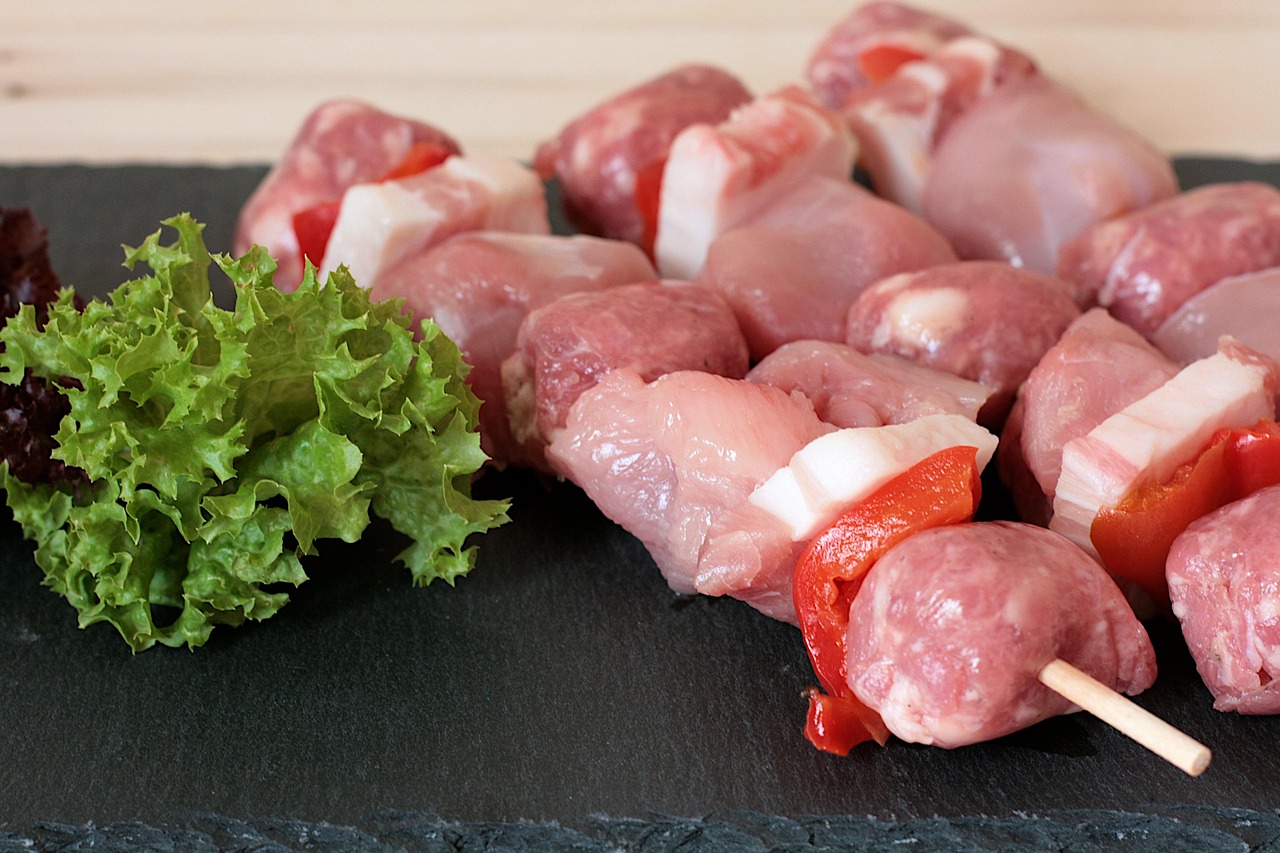
For a deli or butcher, the concrete detail is a match-day BBQ pack or a nation-themed box, ready for collection before kick-off. Think sausages, marinated cuts, bread and a sauce for the night of a home-nation game, or a box of the visiting nation's cheeses and cured meats for theirs. Take orders by email reply for a small list, or through a landing page with a collection-time picker once you're past twenty orders a game. Close orders at noon on match day so you're not packing boxes while the anthems play.
8. A next-round email sent the morning after every knockout game
Once the knockouts start, the bracket writes your calendar for you. Win, and the next date is already fixed. This idea is a short email the morning after each knockout game that points to the next fixture and the booking link, nothing more.
Interest peaks that morning. People are reading the reports, replaying the goals and already asking where they'll watch the next one. An email at 09:00 with "Quarter-final, Saturday 6 July, book your table" catches them at the moment they're deciding. Leave it until the afternoon and the group chat's already picked somewhere else.
Write two versions before the knockouts start, one for a home nation going through and one for a home nation going out. Load both as drafts, so on the morning all you do is pick one and hit send. SendTo's AI designer builds both from the same brief in a couple of minutes, and if you want to see how that holds up on real briefs, our AI email designer review runs through it. The AI reviewer still checks each draft before launch, which matters when you've written it days ahead and the date in the subject line has to be right.
What to send if your home nation goes out
Don't go quiet, and don't pretend nothing happened. Keep the losing version short and warm, something like "Gutted. Thanks for watching with us." Then switch the offer to the next big game on the calendar, the neutral nights or the final on Sunday 14 July. Neutral fans still book tables for a semi-final. If your crowd was only ever there for one team, point the same email at your counter-programming offer and your usual summer menu instead.
How to choose the right two or three ideas for each venue
You don't need all eight. Pick the ones that match what the venue actually has, its screens, its kitchen, its staff and its list, and run them properly. Here's how we'd split these euro 2024 marketing ideas for local business by type of venue.
| Venue | Ideas to run | Why these |
|---|---|---|
| Pub with screens | 1, 2, 4 and 5 | Bookings, slot offers, list growth and last-minute tables |
| Cafe without screens | 2, 6 and 8 | Pre-match brunch, quiet hours and the knockout follow-ups |
| Shop, deli or butcher | 6 and 7 | Match-window browsing and collection bundles |
Is it worth emailing during June, when people open less? Yes, and this is the reason. June is the quietest month of the year for email interest, and the football gives your list a real reason to read. A fixture date or a free-pint draw has an urgency that a general summer newsletter lacks. We cover the wider pattern in our piece on the June engagement dip, and once the final is played on 14 July, our summer marketing ideas carry you through to August.
The honest limit is that none of this rescues a tiny or stale list. If a pub's last email went out in 2022, start with the sweepstake card and rebuild before you send the fixture calendar. A four-week tournament won't fix years of silence, but it's a good place to start again.
For agencies, one four-week football pack covers every local client
If you hold ten local clients, you don't need ten plans. Build one four-week pack, with the fixture calendar, slot offers, a sweepstake card and form, same-day sends, a counter-programming email and both next-round drafts. Then swap in each client's name, colours and offers. On SendTo, that's a brief per email, segments copied across accounts and a client portal where each owner sees real human opens and bookings under your brand. Sell it as a fixed package, and the pub landlord gets a month of planned sends without writing a word.
If you recommend software to agencies, this is the kind of pack they want to sell. SendTo's affiliate programme pays you 20% of the partner subscription every agency you refer pays us, every month they pay it. It never takes a share of what their own clients pay them. Attribution lasts 90 days from the first click, the first touch wins, and commission is paid monthly by PayPal. For plan costs, see the pricing page.
Refer the agencies you know, and earn 20% of their partner subscription every month they stay.
Join the SendTo affiliate programme