Here are seven local business event ideas for the holiday season. Each one has a built-in moment where a guest gives you an email address and agrees to hear from you. That's how we judge them. A full room on a Thursday night in November feels great. But the people who come through your door in October and November only become the list that sells in December if you leave with their address and their permission.
It's Tuesday 17 September 2024, and Black Friday falls on 29 November. If you plan this week, you've got time to run events between late October and early December, with booking pages and invitations out a few weeks before each one. That timing matters. Interest in email marketing peaks in November and December, so the addresses you collect in October are the ones you'll be sending to when people are actually buying.
The seven ideas are ranked by how naturally each one captures consent, not by how busy it looks on the night. Each gets the same treatment. You'll see what the event is, why it earns its place and the exact capture detail that makes it work, plus the first email you'd send afterwards. Later sections cover capture methods, follow-up timing and how to pick the right event for your business.
1. A ticketed make-and-take workshop collects the email address at booking, before anyone walks in
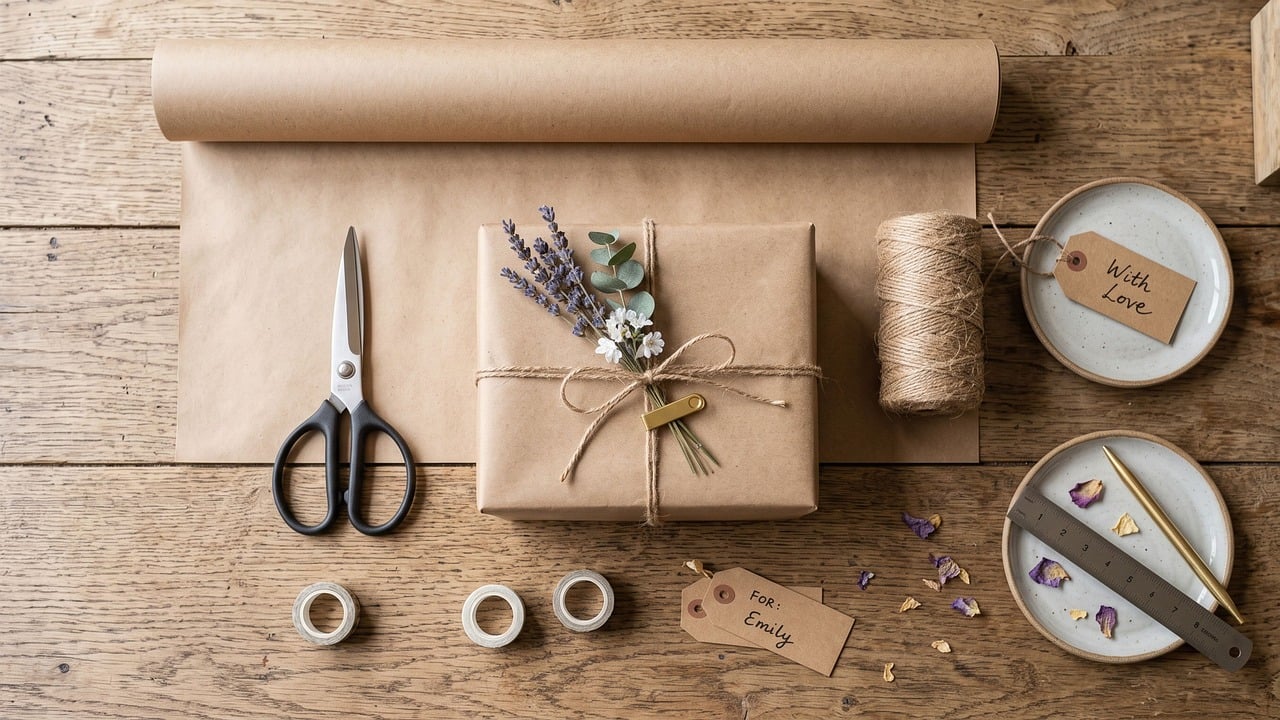
Picture a florist running a wreath-making evening for 16 people. Or a candle shop running a pouring class, a stationer teaching gift wrapping, or a bar running a festive cocktail session. It's a small class, free or paid, capped at 12 to 20 places so everyone gets hands-on time and leaves with something they made.
It comes first because the capture happens before the event. Guests book through a hosted landing page, so every name and address arrives typed by the guest, spelled correctly and timestamped. You don't need to chase anyone with a clipboard on the night. No-shows still count too. Someone who booked and didn't turn up is still on your booking list, and a kind "sorry we missed you, here's the kit to make it at home" email often turns them into a buyer.
Here's the detail to get right. Next to the booking confirmation, add a separate, unticked box that reads something like "Send me news of future workshops and seasonal offers." The booking email is a service message. The box is marketing consent. Keep them apart and you've got a clean list.
Your first email goes out the next morning. Thank them, share two or three photos from the evening and link to the kit or the materials so they can buy them for friends. The trade-off is scale. Twenty people won't transform your list, but they're twenty warm, engaged contacts who spent an evening in your shop, and they're worth more than two hundred cold ones.
2. An early-access preview night turns existing customers into the RSVP list and new guests into subscribers
A preview night is one evening when invited guests see your holiday stock or taste your seasonal menu before it goes on general sale. A gift shop opens its Christmas range a week early. A cafe serves its winter drinks menu to guests on a Wednesday before launch. A bottle shop lays out its December selection with tasting notes.
It earns its place because the invitation itself is the reason to subscribe. "Subscribers get first look" is a promise people want, and it's honest. Your existing customers fill the RSVP list, and the plus-one invitation is what brings in new local faces. Ask each plus-one to register themselves rather than letting the host type in a friend's address. A friend's email entered by someone else carries no consent at all.
The capture detail is a QR code. Print it on the invitation, on a card at the till and on a poster in the window, all pointing to one RSVP form with the optional marketing box. Then tag every guest who signs up with the event name, "Preview night 2024" for instance.
Send a thank-you within a day with the full range or menu attached and a note on when general sale starts. The honest trade-off is that preview nights reward people who already know you. If your goal is new customers more than loyal ones, push the plus-one hard, or pair the night with idea three.
3. A partner night with a neighbouring business doubles the crowd but each host must collect its own consent
Two or three local businesses whose customers overlap co-host one evening. A florist and a wine shop. A salon and a clothing boutique. A bakery and a cheesemonger. Each one brings its own customers, and each one gets in front of the other's crowd for the cost of a single event and some shared mince pies.
That reach is why it earns a place. Your partner's regulars already shop on your street, they trust your partner, and they've walked into your space on a recommendation. If you've run community events before, the same thinking behind these local sponsorship ideas for service businesses applies here. Borrowed trust is the fastest way to meet new people locally.
Here's the part that party-planning lists skip. You can't swap lists afterwards. Under GDPR, someone who signed up to hear from the florist didn't agree to hear from the wine shop, and passing addresses across the counter breaks that. The fix is one signup form with a separate consent tick box for each business, each one unticked. A guest who ticks both is fair game for both. A guest who ticks one belongs to that one host only.
Each partner then sends their own thank-you, in their own voice, to their own opted-in guests. The trade-off is admin. Two businesses means two sets of opinions on dates, branding and who pays for what. It's worth it when the customer overlap is real.
4. A family photo or craft morning works because parents want the photos sent to them
Set up a seasonal photo backdrop, invite a visiting character or put out a kids' craft table on a Saturday morning in late November. A garden centre, a toy shop, a cafe with space by the window or a hairdresser with a quiet weekend morning can all run this with one or two staff.
It earns its place because "we'll email you your photos" is the most natural reason anyone has ever had to give an address. Nobody feels pushed. The parent wants the picture of their toddler with the reindeer, and the email is how they get it. Capture rates at these mornings are high for exactly that reason.
The detail is to keep the two things apart. The photo delivery email is a service. The marketing consent is a separate, optional box on the same form, something like "Tell me about future family events and offers." Don't write "enter your email for your photos and our newsletter." Consent under GDPR has to be freely given, and tying it to something the parent wants makes it bundled consent that won't hold up. Bundling also gets you the worst kind of subscriber, one who never wanted to hear from you and marks your December email as spam.
Ask the parent's permission before taking any photo, and before using any picture of a child on your social channels. Send the photos within 48 hours, while the morning's still fresh, with a short line about your next event for those who opted in. The trade-off is staffing. Someone has to take, sort and send dozens of photos, so book that time before you book the reindeer.
5. A free gift-wrapping day pays off in the reminder email, not the wrapping itself
Run a staffed wrapping station on a set day in early December. Make it free with any purchase, or free in exchange for a small donation to a local charity. A bookshop, a homeware store, a jeweller or a high-street gift shop gets the most from it.
It earns its place because it brings in people who are already buying gifts, right when they're buying them. And it hands you a reason to sign up that people actually want in December, which is reminders about last order dates, last posting dates and click-and-collect deadlines. Nobody minds an email that stops them missing Christmas.
The capture detail is a printed card handed over with every wrapped gift. It carries a QR code to a short hosted form offering "last order and collection date reminders", with a separate optional box for ongoing news. Your wrapping staff won't have time to talk anyone through a sign-up while the queue builds, so let the card do it later, at home.
Pair the date with your printed post. If you're already mailing seasonal cards, plan the wrapping day around when to order and mail holiday postcards so the postcard announces the wrapping day and the wrapping day fills the reminder list.
Your first email is the reminder itself, sent a few days before your last order date. The trade-off is that sign-ups come in slower than at a workshop or photo morning, because the card goes home in a bag and some never come out. Expect fewer addresses, but every one of them belongs to someone actively buying gifts.
6. A practical clinic lets service businesses run an event without a shop floor
A clinic is a 45-minute talk or a drop-in session on one seasonal problem your business solves. A roofer or handyman runs "winter-proofing your home" in the back room of a local cafe. A beauty therapist runs festive skin prep before party season. An accountant runs year-end bookkeeping for sole traders. A garage offers free car checks before holiday travel. You don't need a shop, only a room, a kettle and something worth hearing.
It earns its place because in-store event lists leave service businesses out, and a clinic brings in people who have the exact problem you're paid to fix. Nobody turns up to a talk on damp and draughts by accident. Every guest is a likely customer, and they've already chosen to spend an evening learning from you.
The capture detail is the follow-up you promise in the room. Say at the start, "I'll email the slides and a one-page checklist to anyone who wants them," and put a QR code on the screen and on each chair pointing to a short form. The checklist email is a service. Add the separate, unticked box for ongoing tips and offers. Then tag each guest by the clinic topic, so the sole trader who came for bookkeeping never gets your payroll pitch meant for employers.
Your first email goes out the next morning with the checklist attached and one plain line offering a booking slot before the holidays. Two weeks later, split the guests by who clicked the booking link and who didn't, and send the non-clickers one more useful tip rather than a second sales message.
The trade-off is that clinics take preparation. A talk that rambles costs you more trust than it earns. Rehearse it once, keep it to 45 minutes, and expect a room of 8 to 15 rather than 40. That's plenty if half of them need a quote.
7. A charity collection evening builds goodwill but captures the weakest list, so give it a sign-up reason
Host a toy drive, a winter coat collection or a food bank collection, with a short social evening at your premises where people drop off donations, have a mulled drink and meet the charity's volunteers. Any shop, cafe, gym or salon can run one, and the charity often helps spread the word.
It comes last because guests come for the cause, not for you. That's a good thing for your reputation and a weak thing for your list. Sign-up rates run lower than at any other event here, and the temptation is to fill the gap with a raffle. Don't treat raffle entries as subscribers. Someone who wrote their email on a ticket to win a hamper agreed to be told if they won. Under GDPR, that's not consent to marketing, and mailing them in December turns goodwill into complaints.
The capture detail is an update people actually want. Offer "we'll email you the total raised and where it went," with a separate, unticked box for ongoing news from your business. Donors like knowing their coat reached someone. The update is a service, the box is marketing, and the two stay apart.
Your first email is the total, sent within a week, with a photo of the collection being handed over. The trade-off is plain. You'll collect fewer addresses for the effort, so run this one for the community and treat the sign-ups as a bonus.
Paper sign-up sheets cost you addresses, so decide the capture method before you pick a date
Three ways to collect addresses exist at an event, and they don't perform equally. Pick yours before you print a single invitation, because it changes what goes on the poster, the table and the card.
| Method | What works | What goes wrong |
|---|---|---|
| QR code to a hosted form | Guests type their own address, consent is recorded with a timestamp, works at any distance | Some older guests won't scan, and a weak shop signal slows it down |
| Tablet at the door | Fast, staffed, good for queues | Someone has to stand there all night, and guests rush the consent box |
| Paper sheet | Cheap, familiar, no tech | Illegible handwriting, no consent record, hours of typing afterwards |
Paper is the one that quietly costs you. A "j" that looks like an "i", a missing dot before "co.uk", a scribble in the gmail part, and that address is gone. Worse, a sheet with a column of ticks gives you no reliable record of who agreed to what and when. Use a QR code as your main method and keep a tablet handy for anyone who'd rather not scan. If you want a closer look at forms built for this, our review of SendTo signup forms with bot protection and double opt-in covers hosted pages in detail.
If you do end up with paper, import it carefully. When you're importing event lists into SendTo, the spreadsheet columns map automatically and platform-wide suppression is applied, so anyone who previously unsubscribed stays off. Our SendTo list import review walks through how that behaves with messy files. Only import the rows where consent was clearly given.
Then verify before the first send. Event lists carry typos and dead addresses, and a burst of bounces from one batch tells mailbox providers you're careless. SendTo checks addresses before sending, but double opt-in is the stronger habit for event lists. A guest confirms by clicking a link, which proves the address works and that they meant it. You'll lose a few who never click. The ones you keep open your December emails.
The emails after the event decide whether it was worth running
An event without follow-up is a nice evening. With follow-up, it's the start of your December sales. The timeline is simple, and it slots straight into the wider plan in our guide to planning Q4 holiday marketing for small business clients starting in September.
- Within 24 hours, send a thank-you with the photos, slides, checklist or total you promised.
- In the following fortnight, send one useful or exclusive message, such as a subscriber-only preview, a how-to or an early booking slot.
- From late November into December, send your holiday campaign, when interest in email marketing is at its yearly peak and people are buying.
Segment as you go. Tag every contact by the event they attended, then after the second email split them three ways, into those who clicked, those who opened but didn't click, and those who never opened. Clickers get your offer first. Openers who didn't click get a different angle. Non-openers get one more try with a new subject line, then a rest.
Judge the event on real human opens and clicks. Security scanners at many workplaces open every link in an email before a person sees it, which inflates open rates and makes a weak event look strong. SendTo's reports exclude those scanner opens, so the number you see is people. The fair test of an event is simple. How many opted-in guests did you get, and how many of them opened and clicked your December campaign compared with the rest of your list?
Choose the event whose sign-up reason your customers would actually want
All seven of these local business event ideas for the holiday season work. The right one for you is the one where a guest has an obvious reason to give an address. Start with your business type, then check staff, space and how big your list already is.
| Your business | Best first pick | Why guests sign up |
|---|---|---|
| Retail shop | Preview night or wrapping day | First look at stock, last order date reminders |
| Cafe, bar or restaurant | Workshop or preview night | Booking a place, tasting the menu first |
| Service business, no shop floor | Practical clinic | Slides and checklist sent afterwards |
| Family-friendly venue | Photo or craft morning | Photos emailed to parents |
| Two neighbours with shared customers | Partner night | Each host's own opt-in box |
Short on staff? A preview night or clinic needs one or two people. A photo morning and a wrapping day need someone dedicated all session. If your list is already large, a preview night rewards it. If it's tiny, a partner night or workshop brings the new addresses. And if new customers matter more than regulars, pick the partner night, the photo morning or the clinic, because those reach people who don't know you yet.
For agencies, this becomes a seasonal offer you sell to local clients. Package the event plan, its hosted signup page and a three-email follow-up sequence as one autumn product. On SendTo, you run all of it under your own agency's brand, with the forms, sending, deliverability and address checks handled for you, and you set your own price for the package. One retainer client in September becomes a December campaign with a fresh, consented list behind it.
Recommend SendTo to agencies that sell marketing to local businesses, and you earn 20% of the partner subscription each agency you refer pays, every month they pay it.
Join the SendTo affiliate programme